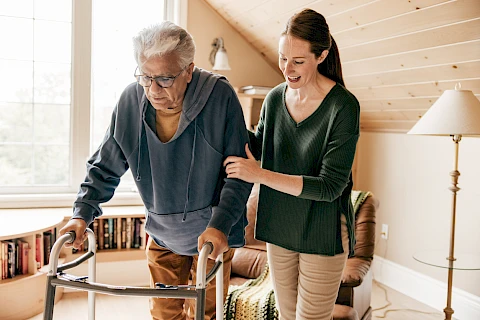
Balance plays a vital role in daily activities. It affects how we move, how we prevent falls, and our overall sense of safety and confidence. For seniors, balance disorders can be quite common, which can make a significant impact on their independence and quality of life. Knowing what causes these issues and how to address them is a crucial step toward staying safe and confident in the later years.
Common Balance Disorders in Seniors
Balance disorders refer to conditions where an individual feels unsteady or dizzy, as if everything around them is spinning. For seniors, the most common types include Vertigo, Meniere's disease, and Benign Paroxysmal Positional Vertigo (BPPV).
Vertigo is a sensation of spinning or dizziness often triggered by moving the head. Meniere's Disease is an inner ear disorder that causes episodes of vertigo, hearing loss, tinnitus, and ear fullness. BPPV is a condition where tiny calcium particles clump up in the inner ear, causing dizziness. Statistics show that approximately 35% of adults aged 65 and older experience some form of balance disorder, underscoring the need for awareness and proactive management.
Symptoms of Balance Disorders
Recognizing the symptoms of balance disorders early is crucial in seeking timely treatment. Common symptoms include dizziness and lightheadedness, unsteadiness or staggering when walking, and nausea and occasional blurred vision. Being aware of these signs can help seniors and their caregivers act quickly to address potential issues before they escalate.
Causes of Balance Disorders
Several factors can lead to balance disorders in older adults. Age-related changes in the inner ear often affect balance. Chronic conditions like diabetes and cardiovascular issues can also contribute to balance problems. Certain medications can have side effects that disturb balance. Identifying the root cause of a balance disorder is vital for effective treatment and management, emphasizing the importance of consulting healthcare professionals.
Potential Treatments for Vestibular Issues
Managing balance disorders often requires a comprehensive approach. Medical evaluations can provide a proper diagnosis and guide treatment. Physical therapy and vestibular rehabilitation exercises can improve balance and coordination. In some cases, medications or even surgical options might be necessary. Lifestyle changes and home safety modifications can also make a difference.
Seeking Medical Advice
Ignoring balance disorders can lead to increased risks of falls and injuries. Always consult healthcare professionals for proper assessment and tailored solutions. Regular check-ups can prevent and manage balance disorders. They help in early detection and prompt intervention, reducing the risk of complications.
Tips for Maintaining Good Balance
Maintaining balance involves a combination of physical activities, diet, and safety precautions:
- Engage in exercises like tai chi or yoga to strengthen muscles and improve coordination. Just remember to consult your doctor before starting any new exercise routine.
- Ensure proper nutrition and hydration to support overall health.
- Implement home safety tips, such as installing grab bars and ensuring adequate lighting, to prevent falls.
- Maintain an active and engaged lifestyle to nurture both physical and mental health.
Ensure Senior Safety with Tailored In-Home Care From Senior Helpers
Beyond preventing falls, addressing balance disorders in seniors is about enhancing quality of life and maintaining independence. When you understand the symptoms, causes, and treatments, you can take active steps towards better stability and reducing risks. If you’re experiencing balance issues and could use more support at home, we are happy to help. Our personal care services at Senior Helpers North Side Chicago cover everything from help with personal hygiene to walking assistance and more. Contact us for more information about our services in the Chicago area.