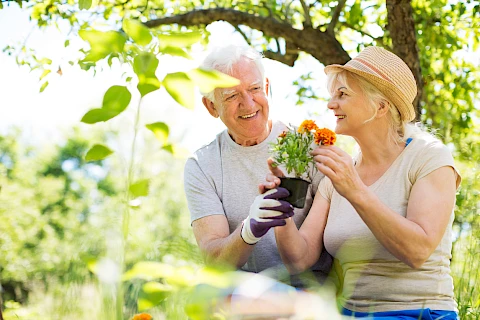
Spring along the Fox River corridor brings blooming crabapples in Geneva, warmer afternoons in Oswego, and, for many seniors, a nose that won't quit. Seasonal allergies and a love of gardening make an uncomfortable combination, but they don't have to be mutually exclusive. With the right habits and a little planning, older adults can stay connected to the garden through spring.
How Seasonal Allergies Shift With Age
Allergy patterns change over a lifetime. Some older adults find that sensitivities they had at 40 have faded. Others develop new reactions to plants or grasses they never had trouble with before. The immune system's response to allergens becomes less predictable with age. The consequences of untreated symptoms, disrupted sleep, sinus pressure, and fatigue can compound other health issues more readily than they did decades ago.
That's worth keeping in mind before dismissing allergy symptoms as minor. The American College of Allergy, Asthma, and Immunology notes that seasonal allergic rhinitis affects a significant proportion of older adults and is often undertreated in this age group. A conversation with a doctor or allergist about updated testing and appropriate medications is a reasonable starting point, especially before allergy season peaks.
Timing and Strategy in the Garden
The biggest single factor is timing. Pollen counts peak in the early morning, typically between 5 and 10 a.m. Heading outside after midday reduces exposure considerably. On high-wind days, pollen travels farther and concentrates outdoors, making that a good afternoon for indoor plant care instead.
Checking the daily pollen forecast before heading out is now straightforward through weather apps and local news sources in Aurora and Plainfield. When counts are high, staying inside for an hour or two can make a difference.
Protective gear helps more than most people expect. Wrap-around sunglasses block pollen from reaching the eyes. A wide-brim hat keeps pollen out of the hair. Changing clothes and rinsing off after time outside prevents tracked-in pollen from continuing to irritate well into the evening.
Choosing Allergy-Friendlier Plants
Not all plants are equal when it comes to pollen load. Wind-pollinated plants, including many grasses, trees, and certain weeds, are the main culprits. Insect-pollinated flowers, such as roses, tulips, pansies, and geraniums, produce heavier pollen that doesn't travel through the air as easily. Steering plant choices toward these varieties doesn't eliminate exposure, but it can meaningfully reduce it.
For seniors who want to garden year-round without the burden of seasonal allergies, indoor plants are a satisfying extension of the hobby. Herbs like basil, mint, and chives thrive on a sunny windowsill in Geneva or Oswego, and tending them carries the same sensory pleasure as outdoor gardening with none of the pollen exposure.
Medication and Timing
If a doctor has recommended antihistamines or nasal corticosteroids, taking them consistently rather than reactively is generally more effective. Nasal corticosteroid sprays, in particular, are most effective when used daily throughout allergy season. A caregiver who helps a senior loved one set a medication reminder can make it much easier to maintain consistency.
Staying in the Garden Through Every Season
Senior Helpers of Geneva-Aurora helps older adults in Geneva, Aurora, Plainfield, and Oswego, IL, stay comfortable, active, and engaged at home through every season. If your loved one could use extra support with daily routines, contact us to learn how our in-home care team can help.