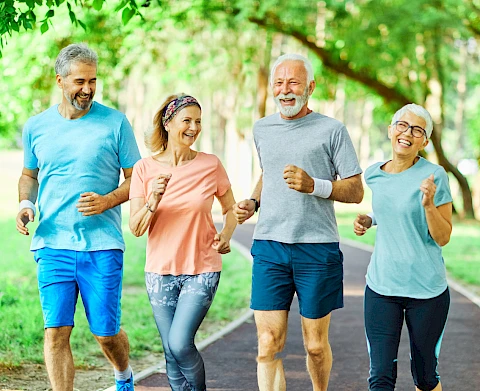
Maintaining an active lifestyle is essential for supporting heart health at every stage of life. For seniors, cardiovascular fitness helps maintain energy, mobility, and overall well-being. Regular heart-healthy movement supports circulation, endurance, and emotional health, making daily activities easier and more enjoyable. Explore safe, realistic ways seniors can strengthen cardiovascular fitness while respecting individual needs and comfort levels.
What Cardiovascular Fitness Means for Seniors
Cardiovascular fitness refers to the ability of the heart, blood vessels, and lungs to supply oxygen-rich blood to working muscles during physical activity. It directly impacts energy levels, endurance, and overall health.
While some assume fitness improvements slow with age, research continues to show that older adults can experience meaningful gains from consistent cardiovascular activity. Benefits include improved heart function, better mobility, reduced stress, and stronger emotional health.
Starting Your Fitness Journey
Beginning a fitness routine starts with a conversation with a healthcare provider. This step helps identify appropriate activities and any precautions based on personal health history. Once cleared, seniors should focus on low-impact exercises that are gentle on the joints but still effective.
Walking, swimming, and stationary cycling are excellent starting points. These activities elevate heart rate without placing unnecessary strain on the body. Setting modest goals and gradually increasing duration or frequency helps build confidence and consistency.
Easing Into More Intense Activities
For those looking to step up their fitness routine, the transition should be gradual to avoid injury or overexertion. Start slowly by incorporating short jogging intervals into your walks, and gradually increase the duration as your endurance builds.
Listen to your body during this process. Pushing too hard can lead to injuries or burnout. Ensure that you're aware of any signs of overexertion, such as excessive fatigue, dizziness, or shortness of breath, and take necessary breaks.
Safety Tips and Precautions
Proper warm-up and cool-down routines are crucial for preparing your body for exercise and aiding recovery afterward. This could include light stretching or gentle marching in place.
Wearing the appropriate footwear and attire can significantly improve your exercise experience. Shoes designed for your specific activity will provide the necessary support and prevent injuries. Additionally, staying hydrated is crucial, especially during warmer months, so keep a water bottle handy.
Remember to avoid exercising in extreme weather conditions. Too much heat or cold can be dangerous, so choose indoor facilities or adjust your schedule when necessary.
Staying Motivated and Consistent
Maintaining motivation is often the biggest challenge for any fitness journey. One effective strategy is to set small, achievable milestones and celebrate when you reach them.
The importance of social support should also be noted. Joining senior fitness groups or classes can provide a sense of community and accountability.
Tracking your progress can be motivating. Whether it's tracking the distance you walk or the duration of your workouts, seeing improvements over time is encouraging. Adjust your routines as needed to continue challenging yourself and achieving your goals.
Supporting Heart Health Through Movement
Cardiovascular fitness supports strength, confidence, and independence for seniors. Seniors can improve their physical and emotional well-being by choosing appropriate activities and maintaining consistent routines. For personalized support and guidance on senior fitness in Geneva, Aurora, Plainfield, and Oswego, contact us at Senior Helpers Geneva-Aurora today.