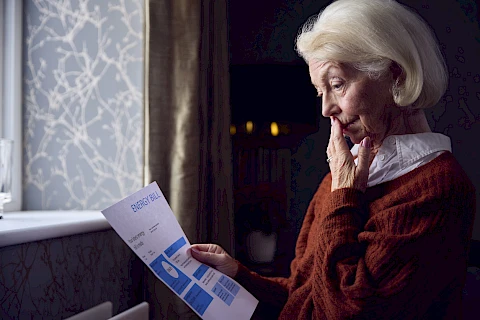
With falling temperatures and changing leaves, understanding your energy bill is more important than ever. Energy costs often rise during the colder months, making it crucial to know exactly what you're paying for. For seniors, managing these expenses effectively can significantly impact financial well-being, ensuring that more money is available for other essentials. Seniors can identify opportunities to save money and reduce unnecessary spending by learning about energy bills.
Decoding Your Energy Bill
Energy bills can often be confusing, filled with terms and numbers that don't immediately make sense. Familiarizing yourself with common terms can help demystify these bills. Here are some key terms to look out for:
- Kilowatt-hour (kWh): This is a unit of energy that measures electricity usage. Your bill will show how many kWh you have used during the billing period.
- Supply Charges: This is the cost of the electricity you use. It's what you pay your energy provider for supplying the electricity.
- Delivery Charges: These are the costs related to delivering electricity from the electric company to your home.
It's also helpful to know the billing cycle. Most utility companies use a 30-day cycle, and your bill will outline how the charges are calculated based on your usage during this period. Knowing this cycle can help you track your energy use more effectively.
Reading and Interpreting Usage Data
When it comes to bills, usage data can provide valuable insights. Most energy bills include graphs or tables showing how much energy you've used. To make the most of this data, locate the section that displays your monthly usage. This usually includes a comparison with previous billing periods or years. Analyzing this data allows you to spot trends or unusual spikes that could indicate energy waste.
Look at the usage patterns: Are there months when your usage is unexpectedly high? This can suggest heavy use of certain appliances or inefficiencies in your home's energy use.
Identifying Areas for Potential Savings
Certain appliances and habits can drain more energy than expected. For example, older refrigerators, washing machines, or heating systems can be less efficient, consuming more energy. Watching TV for long periods or leaving the lights on unnecessarily adds up over time.
Fall introduces specific energy use challenges. With cooler weather, heating becomes a significant portion of energy use. Ensuring your home is well-insulated can prevent energy loss. Seal any drafts around windows and doors to keep the heat in and the cold out.
Practical Tips for Reducing Energy Consumption
Reducing energy consumption doesn't require drastic changes. Simple tweaks can make a big difference. Start with your thermostat. Lowering it by just a few degrees can save a significant amount on heating costs. When not in use, unplug electronics or use power strips to cut off the power supply to multiple devices at once.
Investing in energy-efficient options can lead to long-term savings. Switching to LED light bulbs, which use less energy and last longer, is an economical choice. Additionally, consider upgrading to energy-efficient appliances. These may have a higher upfront cost but will save money over time through lower energy bills.
Contact Senior Helpers for Support With Senior Care
Seniors can significantly reduce their energy bills by learning and managing energy usage. Understanding your energy bill, recognizing usage patterns, and taking proactive steps to cut down on unnecessary energy consumption. Small changes in habits and smart investments in efficient appliances can lead to significant savings. For personalized support and additional assistance, contact us at Senior Helpers Aurora-Geneva. Whether you're in Geneva, Aurora, Plainfield, or Oswego, IL, we're here to help you through compassionate care.