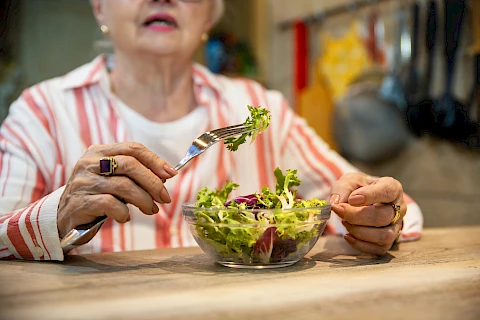
Managing diabetes effectively depends heavily on daily habits, and nutrition plays a central role in that challenge. Making thoughtful food choices helps maintain stable blood sugar levels and lower the risk of complications. For seniors living with the condition, a balanced diet not only helps with diabetes management but also supports energy, mood, and overall well-being.
The Connection Between Diabetes and Nutrition
Diabetes affects how the body processes sugar, making it harder to keep blood glucose levels within a healthy range. Because food directly impacts blood sugar levels, nutrition is integral to daily diabetes care. Understanding how different foods influence glucose levels can support better decision-making and help prevent spikes or drops in blood sugar.
Meal Planning Tips for Seniors
Balanced eating habits are essential to managing diabetes in the long term. A diabetes-friendly meal plan should include a mix of carbohydrates, proteins, and healthy fats. Here are some tips to consider when planning meals at home:
- Fill half your plate with non-starchy vegetables like broccoli, spinach, or carrots.
- Swap white bread and rice for whole-grain options, like brown rice or whole-wheat pasta.
- Opt for chicken, fish, or beans instead of red meat.
- Use olive oil or avocados to get your dose of good fats.
Meal planning can be simple and delicious. A grilled chicken salad with mixed greens, cherry tomatoes, and a whole-grain roll makes for a nutritious, diabetes-friendly meal.
Snack Ideas for Diabetic Seniors
Healthy snacking can keep blood sugar levels stable between meals. Some nutritious options include a small handful of nuts, which provides healthy fats and protein, fresh fruit like an apple or berries for fiber and hydration, or Greek yogurt or string cheese, which are rich in protein and make fulfilling snacks. Pre-portion snacks into smaller servings to prevent overconsumption of calories.
Portion Control Strategies
Portion control is another essential part of managing diabetes. Large portions can lead to overeating, leading to spikes in blood sugar levels. Using smaller plates can help control portion sizes visually. Pre-plating meals instead of eating family-style can also prevent overeating. Measuring food portions using tools like measuring cups or food scales can provide accurate serving sizes.
Reading Food Labels
Understanding food labels can help you make informed choices. Paying attention to the labels will help you avoid foods that may not fit into your meal plan and make choices that support your health goals. Key components to check include:
- Serving size: Knowing the serving size ensures you know how much you're consuming.
- Total carbohydrates: Tracking total carbohydrates can help manage blood sugar levels.
- Added sugars: You want foods with low added sugars to prevent spikes in blood glucose levels.
Consistent Carbohydrate Intake
Carbohydrate counting is essential in diabetes management. Carbs impact blood sugar more than proteins or fats. Consistent carbohydrate intake throughout the day can prevent blood sugar spikes.
Seniors should aim to eat similar amounts of carbohydrates at each meal.
To manage carb consumption, aim for whole grains, fruits, and vegetables while avoiding sugary drinks and sweets. This approach helps maintain steady blood sugar levels and provides essential nutrients.
Do You Need Help Managing Diabetes at Home?
Managing diabetes through nutrition doesn't have to be overwhelming. It’s all about understanding how diabetes and nutrition interact so you can make informed dietary choices. If you could use more support at home while navigating the challenges of a diabetes diagnosis, we can help. At Senior Helpers Elmwood Park, part of our senior care services include chronic disease care, and we can assist with everything from meal planning and preparation to diet monitoring and medication reminders. Contact us to learn more about our services in Chicago, Elmwood Park, Franklin Park, Harwood Heights, and Melrose Park!