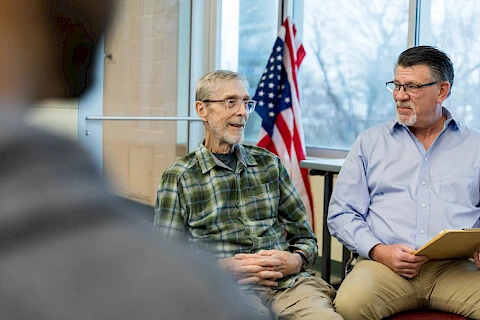
June is National PTSD Awareness Month, and June 27 is PTSD Awareness Day. If you served in the military decades ago, you may carry experiences that still surface in ways that feel difficult to explain. You're not alone in that. PTSD in senior veterans is real; it's more common than most people realize, and some resources genuinely help.
How PTSD Can Look Different in Older Veterans
Many veterans who served in earlier conflicts, Korea, Vietnam, and the Gulf War, managed their experiences by staying busy, focusing on family and work, and pushing through. Retirement or the loss of a spouse can shift that balance. When the structure that kept difficult memories at bay begins to change, PTSD symptoms can emerge or intensify at a stage of life when they feel unexpected.
For senior veterans, PTSD can show up as sleep disturbance, hypervigilance, irritability, or avoidance of certain situations, conversations, or gatherings. Physical symptoms like chronic pain and fatigue can intertwine with the emotional ones in ways that make both harder to manage. Some veterans describe feeling more on edge in crowded spaces or finding that certain sounds or smells bring memories forward sharply.
The U.S. Department of Veterans Affairs recognizes that PTSD in older veterans carries its own patterns and that effective treatment is available at any age. That's a meaningful point: age is not a barrier to getting support, and treatment works.
Resources Available to You
VA Mental Health Services. If you are enrolled in VA health care, you have access to PTSD treatment through VA mental health services. This includes individual therapy, group programs, and medication management if appropriate. You can contact your local VA or visit VA.gov to learn about what's available in your area.
Community-based support. Veterans in communities like Huntley, Algonquin, and Elgin may also find support through VA Vet Centers, community-based counseling centers that focus specifically on combat veterans. Vet Centers tend to have a less clinical feel than a hospital setting and are often more accessible for veterans who are hesitant about formal mental health care.
Talking with your primary care provider. If you have a primary care doctor you trust, that's often the easiest place to start. A direct conversation about sleep problems, anxiety, or intrusive memories can open a referral to the right kind of support. You don't have to come in with a diagnosis or even certainty about what you're experiencing.
Crisis support. If you're in distress, the Veterans Crisis Line is available 24 hours a day. Call 988 and press 1, or text 838255. The line is staffed by responders who understand military experience.
What Reaching Out Actually Looks Like
Many veterans from the communities around South Elgin, Cary, Fox River Grove, and Carpentersville spent their working lives quietly handling difficult things. Reaching out for mental health support can feel like a departure from that, and that feeling makes complete sense. The people on the other end of these resources understand your background, and support works.
You don't have to be in crisis to seek support. You also don't have to have a clear answer to the question "Is what I'm experiencing really PTSD?" A conversation with a mental health professional can help sort that out.
Support Close to Home in Gilberts, Hampshire, and Lake in the Hills
Living well at home is easier when you have the right support around you. Senior Helpers Algonquin serves veterans and seniors across Huntley, Algonquin, Elgin, and Lake in the Hills with compassionate in-home care designed to support daily life. Contact us to learn how we can help you feel more supported at home.