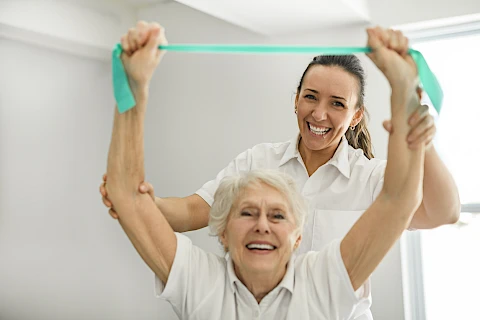
Parkinson's disease is a progressive disorder affecting the nervous system, and it significantly impacts seniors' lives. It manifests through symptoms such as tremors, stiffness, and difficulty with balance and coordination. Managing these symptoms is vital to maintaining quality of life and independence, as Senior Helpers Algonquin will outline. One effective way to manage Parkinson's symptoms is through physical therapy, which offers a structured approach to improving mobility, reducing fall risk, and maintaining independence.
Benefits of Physical Therapy for Parkinson's
Physical therapy provides numerous benefits for individuals with Parkinson's. It focuses on problem areas like mobility, fall risk, and daily independence. For those with Parkinson's, movement can become challenging. Physical therapy enhances movement and flexibility, helping seniors move more freely. Techniques focus on improving gait and balance, allowing seniors to walk with greater stability.
Falls pose a significant risk to seniors with Parkinson's. Physical therapists can identify factors that increase the risk of falling and create a plan to address them. Exercises focusing on muscle strength and coordination play a role in reducing fall incidents.
Maintaining Independence
Remaining independent is a priority for many seniors. Physical therapy provides strategies for performing daily activities safely, boosting confidence and self-reliance. When seniors feel able to manage tasks, it enhances their overall well-being and independence.
The first step in physical therapy involves an initial assessment from a qualified therapist. This helps evaluate individual needs and goals. Using this information, the therapist creates a personalized therapy plan tailored to the person's specific conditions and aspirations.
Types of Exercises Used
Physical therapy for Parkinson's includes various exercises that work together to enhance daily functioning. Balance and coordination exercises help improve stability, which is particularly important for those experiencing the characteristic unsteadiness associated with Parkinson's.
Strength training and flexibility exercises target muscles, aiding in better movement control and helping to counteract the stiffness that often accompanies the disease. Aerobic exercises support overall health and boost stamina, providing the cardiovascular benefits that contribute to improved energy levels throughout the day. By integrating these different types of exercises, the therapy targets multiple areas to create a comprehensive approach to managing symptoms.
Frequency and Duration of Sessions
Physical therapy sessions generally run between 30 and 60 minutes. While frequency varies, attending sessions regularly ensures better results. A long-term commitment to therapy strengthens physical abilities and maximizes benefits over time.
Professional guidance is key to managing Parkinson's effectively. Doctors and healthcare providers can be excellent resources for referrals to physical therapists. Have conversations with healthcare providers about physical therapy. Discuss potential benefits and ensure the therapy aligns with medical advice. Seeking a referral helps connect seniors to valuable resources, opening doors to improved health management.
Contact Senior Helpers for Compassionate Care Services
Physical therapy offers significant benefits for those living with Parkinson's. It aids in improving mobility, reducing fall risks, and maintaining independence, all crucial for quality of life. It's essential to explore physical therapy options that cater to personal needs and lifestyle.
Contact us at Senior Helpers Algonquin for more support and information about senior care. Whether you reside in Huntley, Algonquin, Elgin, Hampshire, or Lake in the Hills, we're here to assist. Don't hesitate to take that step toward a better-managed life with Parkinson's through physical therapy.