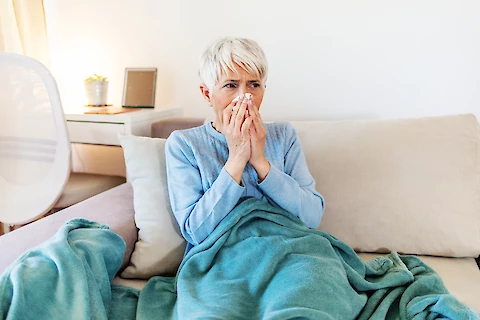
COPD almost always develops slowly, over years or even decades, but many older adults are diagnosed in their 60s or 70s and feel like it came out of nowhere. That's because early symptoms like breathlessness on stairs or a morning cough are easy to blame on age or being out of shape, until a chest cold or bout of bronchitis suddenly makes breathing much harder. Knowing the early signs helps seniors get tested sooner, when treatment does the most good.
What Is COPD?
COPD, or chronic obstructive pulmonary disease, is a long-term lung disease that makes it hard to move air in and out of the lungs. It includes emphysema, which damages the air sacs, and chronic bronchitis, which inflames and narrows the airways. COPD is progressive, meaning it tends to get worse over time, but treatment can slow it down and ease symptoms.
Why COPD Can Seem to Appear Suddenly
Lung function declines naturally with age, and COPD often stays hidden until it has already reduced breathing capacity. Many people gradually cut back on activities without noticing, so the first clear sign comes during a flare-up, when a respiratory infection, smoke, or poor air quality causes a sudden spike in coughing, wheezing, and shortness of breath. This flare-up, called an exacerbation, is often what brings a senior to the doctor and leads to a diagnosis.
Early Signs of COPD in Seniors
The early signs of COPD are subtle and build over time:
- Shortness of breath during everyday activities like climbing stairs, carrying groceries, or walking uphill
- A cough that lingers for weeks or keeps coming back, often worse in the morning
- Coughing up mucus regularly
- Wheezing or a whistling sound when breathing
- Chest tightness
- Frequent colds or chest infections that take longer to clear
- Feeling tired more easily than usual
Any of these signs is a reason to talk to a doctor, especially for seniors who smoke, used to smoke, or worked around dust or fumes.
Can You Get COPD Without Smoking?
Yes. Smoking is the leading cause, but as many as one in four Americans with COPD never smoked. Other causes include long-term exposure to secondhand smoke, air pollution, wood smoke, and dust, chemicals, or fumes at work. Some people have a genetic condition called alpha-1 antitrypsin deficiency, which makes the lungs more vulnerable. A history of asthma or severe childhood lung infections also raises the risk.
Air Quality and COPD in the Treasure Valley
Air quality is a real concern for seniors in Boise and the Treasure Valley. In winter, temperature inversions can trap pollution in the valley for days, and in summer, wildfire smoke from across the West can settle over the area. Both can trigger COPD flare-ups and make undiagnosed lung problems more noticeable. On poor air days, seniors with breathing symptoms should stay indoors, keep windows closed, and run an air purifier with a HEPA filter if possible.
How Is COPD Diagnosed?
There's no reliable way to test for COPD at home. A doctor diagnoses it with a simple breathing test called spirometry, which measures how much air a person can blow out and how fast. The test is quick and painless. A chest X-ray or CT scan and blood tests may also be used to rule out other conditions.
Can COPD Be Cured If Caught Early?
COPD can't be cured, but catching it early makes a big difference. Quitting smoking is the most important step, since it slows the decline in lung function at any age. Inhaled medications open the airways and reduce flare-ups, and pulmonary rehabilitation teaches breathing techniques and builds strength. Staying up to date on flu, pneumonia, COVID-19, and RSV vaccines lowers the risk of infections that trigger flare-ups.
Newer treatments have expanded the options in recent years, including a nebulized medication called ensifentrine and, for some people with a specific type of inflammation, a biologic injection. Many people with mild COPD who get treatment and stop smoking live active lives for many years.
Do You Need Help Caring for a Senior With COPD?
COPD can make everyday tasks like bathing, cooking, and housework exhausting, and a flare-up can leave a senior needing extra help for days or weeks. Senior Helpers Boise Treasure Valley chronic disease care caregivers help seniors manage daily routines and medication reminders at home, personal care caregivers help with bathing and dressing to save energy, and return home transitional care supports seniors coming home after a hospital stay. Contact Senior Helpers Boise Treasure Valley to learn more.