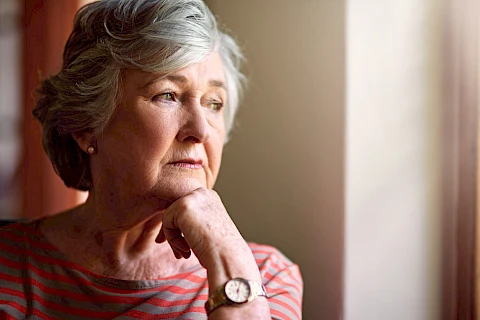
Mental health is just as essential as physical health in senior care, yet it is often overlooked. Mental well-being can significantly impact a senior's quality of life. The winter months are also a time of seasonal depression and holiday blues, which can affect our loved ones.
Senior Helpers explains that understanding these issues is the first step in providing the support they need.
Depression in Seniors
Depression is more than just feeling sad. It is a serious condition that affects mood and also various aspects of a person's life. It often manifests differently in older adults than in younger people. This can lead to declines in physical health, loss of interest in activities, and withdrawal from social interactions.
Having depression is not a normal part of aging and should be taken seriously. It is essential to differentiate between temporary feelings of sadness and clinical depression, which is persistent and debilitating.
Identifying Symptoms
Knowing and recognizing the signs of depression in seniors is essential to getting timely help. Here are some common symptoms to be on the lookout for:
- Persistent sadness or feelings of hopelessness.
- Loss of interest in hobbies or social activities they once enjoyed.
- Changes in appetite or weight.
- Difficulty sleeping or sleeping too much.
- Fatigue or lack of energy.
- Irritability or restlessness.
- Physical pains that do not respond to treatment.
These signs might be subtle, but they require our attention and understanding.
Risk Factors
Several factors can increase the likelihood of depression in seniors. Life changes and challenges that come with aging, including health problems or the loss of loved ones, can contribute to a sense of loneliness or despair.
Seasonal changes, particularly the shorter days of winter, can exacerbate feelings of depression by reducing exposure to sunlight. The holidays, while joyful, can also be stressful and a reminder of past losses or unfulfilled expectations.
How to Approach the Conversation
Approaching a loved one about depression can be challenging, and it is significant to address these concerns with care and empathy. Start the conversation in a private, comfortable setting where they feel safe.
Use open-ended questions and express genuine concern. Listening actively and showing understanding can make them feel supported. Let them know they are not alone, and that help is available.
When to Seek Professional Help
Sometimes, symptoms of depression in seniors may require professional intervention. If you notice that their symptoms persist for weeks and interfere with their daily functioning, it might be time to seek help from a healthcare professional.
Mental health specialists can offer a range of treatments, including therapy and medication, tailored to their needs. Professional help can make a significant difference in improving mental well-being and quality of life.
Senior Helpers Knows the Importance of Mental Health in Seniors
Senior Helpers provides comprehensive, in-home senior care services with the happiness, health, and support for managing depression in seniors in mind.
If you live in the Savannah, Pooler, Tybee Island, or Port Wentworth areas, don't hesitate to contact us anytime at Senior Helpers Chatham County. We are here to support families as they provide care for their senior loved ones struggling with depression.