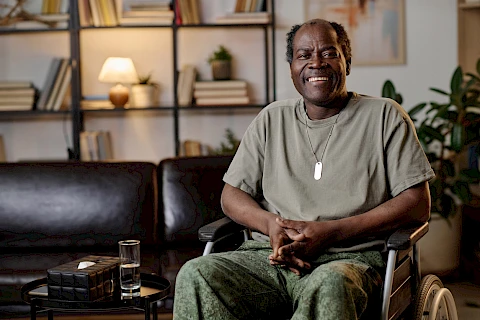
June is National Post-Traumatic Stress Disorder (PTSD) Awareness Month, a time to recognize the lasting effects trauma may have on veterans long after military service ends. For some senior veterans, retirement, health changes, loss, or other life transitions may bring PTSD symptoms to the surface or make existing symptoms more noticeable. PTSD in older adults may include nightmares, anxiety, sleep disturbances, social withdrawal, or physical complaints that are sometimes mistaken for normal aging. Through the VA, community organizations, peer programs, and mental health professionals, veterans have access to resources that may help.
How PTSD Can Look Different in Senior Veterans
PTSD does not always present in the dramatic ways portrayed in film. Many older veterans spent years managing symptoms while building careers, raising families, and maintaining daily routines. Later-life changes such as retirement, health concerns, loss of loved ones, or increased time alone may make traumatic memories and emotional reactions more noticeable.
Common symptoms include nightmares, sleep disturbances, anxiety, irritability, emotional numbness, heightened startle responses, difficulty concentrating, or avoiding situations that trigger memories of past events. Some veterans also experience physical symptoms such as chronic pain, headaches, fatigue, or digestive concerns that become more noticeable during periods of stress.
Because these changes often overlap with age-related health issues, PTSD may go unrecognized. Identifying PTSD can help veterans better understand their experiences and explore treatment options that may improve sleep, relationships, daily functioning, and emotional well-being.
VA Resources Available to Older Veterans
The VA's National Center for PTSD offers educational materials, self-help tools, and information about treatment options. Veterans do not need to be enrolled in VA healthcare to begin exploring eligibility and available services.
In the Atlanta metro area, the Atlanta VA Health Care System serves veterans throughout the surrounding communities. A primary care appointment is often a starting point for accessing PTSD-related care. Veterans may also connect with PTSD-Trained Peer Specialists, who have personal experience with treatment and can help fellow veterans learn about available programs and services.
Community and Non-VA Options
Veterans Service Organizations, such as the American Legion and the Veterans of Foreign Wars, offer peer connections and assistance with benefits-related questions. Veterans seeking care outside the VA may also explore the Give an Hour network, which connects individuals with licensed mental health professionals. Alongside professional treatment, many veterans benefit from social connections, faith communities, hobbies, and relaxation techniques such as deep breathing or calming activities that help manage stress.
Encouraging the Conversation
Many senior veterans grew up in a time when mental health concerns were rarely discussed. Conversations are often more productive when they focus on a specific option, such as a VA appointment, peer specialist program, or local veterans organization, rather than a general suggestion to seek help.
Support and Services for Veterans at Home
PTSD can affect veterans long after military service ends, with symptoms such as changes in sleep, mood, anxiety, or daily functioning. These changes may warrant a conversation with a healthcare provider, mental health professional, or VA representative. Recognizing PTSD can help clarify experiences and open access to care options that may improve quality of life.
For veterans receiving treatment for PTSD or coping with its day-to-day effects, a stable home environment and consistent routines may make a meaningful difference. Senior Helpers of Marietta serves veterans and families in Marietta, Acworth, Austell, Powder Springs, and Kennesaw with Companion Care, Personal Care, and VA Benefit Assistance. Contact us to learn how we can help veterans remain independent at home while accessing the care, benefits, and community connections available to them.