Caring for a senior with osteoporosis requires a strong understanding of the condition and how it impacts their daily life. Osteoporosis weakens bones, making them fragile and more prone to fractures. It's particularly common in older adults, especially women.
As a caregiver, your role is crucial in managing this condition. Focusing on prevention, ensuring safe environments, and providing proper care can help your loved one maintain independence and comfort.
The Impact of Osteoporosis
Osteoporosis causes bones to become thin and brittle due to an imbalance between bone loss and bone formation. Fractures often occur in the hips, spine, or wrists. In advanced cases, even simple activities like bending or coughing can lead to injury.
Common risk factors include age, family history, low body weight, smoking, and a diet low in calcium or vitamin D. Symptoms may not be obvious until there’s a fracture, so it's important to be proactive in care.
Fall Prevention Strategies
Preventing slips is important as it can lead to serious injuries. Begin by ensuring the home is safe.
- Remove tripping hazards like loose rugs or clutter.
- Install grab bars in the bathroom and handrails on stairs.
- Ensure proper lighting in all areas of the home.
Assistive tools like canes or walkers can offer added balance and help prevent accidents. Regular vision and hearing checks can also reduce the risk of missteps.
Safe Exercise for Bone Health
Exercise is one of the best ways to build bone and improve coordination. Choose weight-bearing activities like walking, light hiking, or dancing. These keep bones stimulated and support overall strength.
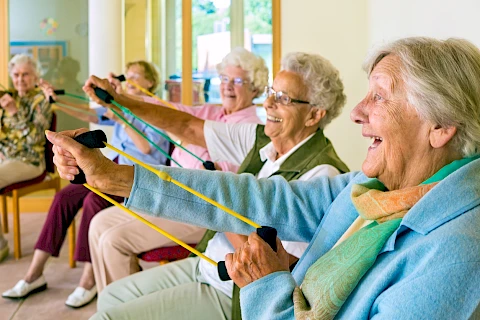
Balance exercises, such as tai chi, enhance stability. Strength training with light weights or resistance bands builds muscle around bones. Encourage short activity sessions throughout the day, but always consult a medical provider before starting any new routine.
Dietary Considerations
Food directly affects bone health. Ensure the diet includes calcium, found in dairy products, green leafy vegetables, and fortified products. Vitamin D is needed for absorbing calcium effectively and can be obtained from sunlight, fatty fish, and fortified foods. Protein is also needed for bone strength and is available in meat, beans, and nuts.
As a caregiver, plan balanced meals that include these nutrients. You may want to consult a nutritionist for personalized advice.
Coordinating with Healthcare Providers
Ongoing check-ups help monitor bone health and update treatment plans. Bone density scans track progress, and regular appointments allow time to adjust medications if needed. Work closely with healthcare providers to ensure the elderly receive comprehensive care.
Discuss any current medications and monitor them for side effects or interactions. Keeping communication open with healthcare providers helps ensure the care plan stays effective and tailored to the senior’s needs.
Home Care for Seniors With Osteoporosis
Managing osteoporosis in older adults involves a combination of fall prevention, safe exercise, balanced nutrition, and regular healthcare coordination. As a caregiver, your guidance and daily care can greatly improve their quality of life. Remember, you're not alone in this journey. Seek support and resources to help you.
Need help caring for a loved one with osteoporosis? Senior Helpers Lawrenceville provides trusted in-home support in Lawrenceville, Buford, Auburn, Flowery Branch, and Hoschton. From companionship to help with daily routines, our team is here to make life safer and more comfortable at home.