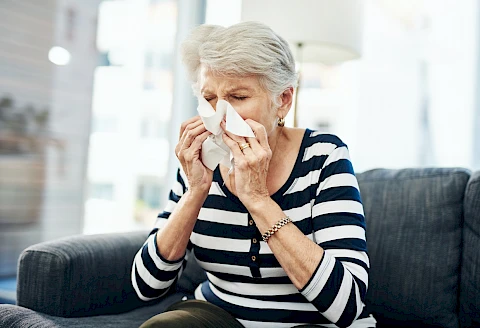
As the warm months roll in, seasonal allergies can become a significant concern, particularly for the elderly. While allergies are common at any age, older adults may face added challenges due to changes in the immune system or the presence of other health conditions.
Managing them well ensures that your senior loved ones stay comfortable, healthy, and happy. Here’s what to know about recognizing, addressing, and easing senior allergies.
Senior Allergies
Older adults can react to many of the same allergens that affect younger people, but their symptoms may sometimes be more intense or harder to manage. Common triggers include pollen, dust mites, mold, pet dander, and certain foods. These can lead to discomfort such as sneezing, itching, or respiratory discomfort.
Those providing care should be able to identify allergy symptoms, as older adults might not always recognize them or communicate them effectively. Signs like a persistent runny nose, red or watery eyes, increased coughing, or unusual tiredness may point to an allergic response. Paying close attention to these can help ensure that treatment starts early.
Allergy-Proofing Living Spaces
Creating a safe, allergy-free environment at home is a proactive step caregivers can take. Reduce common household allergens by sticking to a consistent cleaning routine. Dust surfaces often, vacuum carpets with a HEPA-filter vacuum, and wash linens in hot water to eliminate dust mites.
Consider using air purifiers to improve air quality, and opt for hypoallergenic bedding materials. Minimizing clutter can also help, as it reduces places where dust and allergens can accumulate.
Recognizing Symptoms and Seeking Medical Advice
Caregivers should monitor for common allergy symptoms such as sneezing, itchy eyes, nasal congestion, or skin rashes. If these symptoms persist or worsen, you need to seek advice from healthcare providers.
Older adults may also experience allergy symptoms differently, sometimes mistaking them for colds or respiratory infections. A medical evaluation is needed for accurate diagnosis and helps create a personalized allergy management plan tailored to seniors' health needs.
Safe Treatment Options
Managing allergies in seniors requires cautious selection of healthcare solutions. There is a variety of suitable allergy medications that can be used. However, it’s essential to work with medical professionals to make sure they don’t interfere with other medicines or health conditions.
In many cases, non-drug approaches can offer relief without added risks. Saline nasal rinses and limiting outdoor activity when pollen counts are high are all simple strategies that may ease discomfort.
Senior Helpers Northeast Atlanta Can Help Seniors Manage Their Allergies
Addressing senior allergies starts with understanding common allergens. It involves allergy-proofing living spaces and recognizing symptoms early. Family members should seek medical advice to determine the most appropriate treatment options.
We encourage caregivers to stay informed and proactive, ensuring seniors remain comfortable all year round. Should you require professional support, contact Senior Helpers Northeast Atlanta.
We are here to assist families and their loved ones in Cumming, Duluth, Suwanee, Norcross, and Peachtree Corners with personalized care and expertise. Your loved ones deserve the best care, and we are dedicated to providing that.