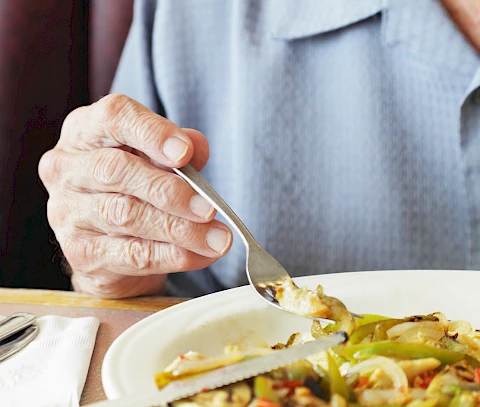
Food safety is something everyone should take seriously, but it becomes even more crucial as we age. For seniors, the risks associated with foodborne illnesses are higher due to changes in the immune system and other age-related factors. You need to be aware of these risks and understand how to minimize them in everyday life. When they implement safe food practices, seniors can enjoy delicious meals without worrying about getting sick.
Proper Food Storage
Keeping food fresh and safe starts with proper storage. Refrigerators and freezers are essential tools in preventing foodborne illnesses. Set your fridge below 40°F and your freezer at 0°F or colder. Organize your fridge by keeping raw meats on the bottom shelf to avoid drips that can contaminate other foods. Be mindful of expiration dates and "best by" labels. While these dates don't always indicate spoilage, they are a good guideline to ensure you're consuming food at its peak quality and safety.
Recognizing Spoilage
Recognizing when food has gone bad is key to preventing illness. Common signs of food spoilage include a sour smell in dairy products, discoloration or an off smell in meats, and a slimy texture on produce. Trust your senses: if something looks, smells, or feels off, it's better to err on the side of caution and throw it out. Consuming spoiled food can lead to severe health issues, particularly for seniors.
Safe Cooking Temperatures
Cooking food to the right temperature kills harmful bacteria. Use a food thermometer to check that meats and other dishes have reached a safe internal temperature. For example, poultry should be cooked to an internal temperature of 165°F, while ground meats such as beef should reach 160°F. Even cooking and thorough reheating ensure that your meals are safe to eat. Don't eyeball it; always rely on a thermometer for accuracy.
Guidelines for Leftovers
Leftovers can be a convenient delight, but they also come with a shelf life. Typically, leftovers should be stored in the fridge and eaten within 3-4 days. When reheating, make sure the food reaches an internal temperature of 165°F. This ensures that any bacteria are killed. If you're unsure about the safety of older leftovers, it's safer to discard them rather than risk illness.
Reducing the Risk of Foodborne Illnesses
Beyond cooking and storage, several practices can help reduce foodborne disease risk. Washing your hands thoroughly before and after handling food can prevent the spread of bacteria. Keep kitchen surfaces clean, and be careful when handling raw foods, such as eggs or meats, to avoid cross-contamination. When dining out, choose restaurants known for their cleanliness standards, and don't hesitate to ask how food is prepared if you have concerns.
Senior Helpers Vero Beach Can Help With Meal Planning and Prep
Implementing these simple food safety practices can make a significant difference for seniors. When you are mindful of how you store, cook, and handle your food, you can enjoy meals that are delicious and safe. For those living in Fellsmere, Sebastian, Vero Beach, Fort Pierce, or Okeechobee, remember that you don't have to navigate this alone. Senior Helpers Vero Beach is here to assist you in maintaining a safe and healthy lifestyle. Whether you need personalized support or additional resources, our team is ready to help. Contact us now.