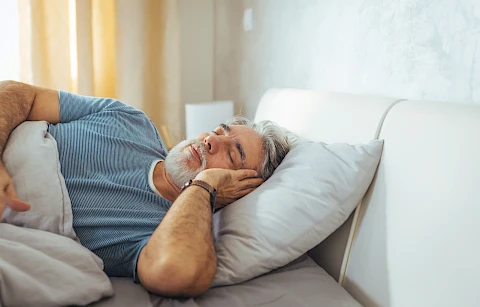
Good sleep contributes significantly to overall health, helping with physical healing, mental sharpness, and emotional well-being. With Better Sleep Month upon us, there's no better time to explore how small changes can lead to a more restful night. Let's look at some practical tips for seniors to improve their sleep.
Creating a Sleep-Friendly Environment
Your bedroom should be a sanctuary for restful sleep. Here are some tips to optimize the space:
- Use dim lights in the evening to signal your body that it's time to wind down. Blackout curtains can be helpful for blocking early morning light.
- Keep the room cool, ideally between 60-67 degrees Fahrenheit, to promote comfortable sleep.
- Consider using white noise machines to block out disruptive sounds.
A comfortable mattress and pillows are equally important. If it's been years since you replaced them, it might be time to consider an upgrade. Lastly, declutter the space to foster a calming atmosphere. A tidy room can help soothe the mind as you prepare for sleep.
Establishing a Consistent Bedtime Routine
One of the best things you can do for your sleep is to establish a regular schedule. Going to bed and waking up at the same time each day helps regulate your body's internal clock, making it easier to get quality sleep.
Engage in relaxing activities before bed to signal to your body that it's time to wind down. Consider reading a book, meditating, or taking a warm shower or bath. It's important to limit screen time before bed, as the blue light from screens can interfere with your body's production of melatonin, a hormone that regulates sleep.
Addressing Common Sleep Disturbances
Seniors often face sleep disorders that require attention. Insomnia, sleep apnea, and restless leg syndrome are frequent culprits. For insomnia, try relaxation techniques and keep a consistent schedule. Avoid stimulants like caffeine in the afternoon. If you suspect sleep apnea, ensure you maintain a healthy weight and try sleeping on your side. Consult a healthcare provider for a proper diagnosis and treatment plan if symptoms persist. For restless leg syndrome, stretching, massaging legs, and maintaining good sleep habits can provide relief.
If these issues persist, it's wise to talk to your doctor. Addressing sleep disorders can significantly improve your overall quality of life.
Lifestyle Habits for Better Sleep
Daily habits play a significant role in sleep quality. Stay physically active with regular exercise tailored to your ability. Physical activities like walking or water aerobics are excellent choices.
Diet also affects sleep. Eating balanced meals, staying hydrated, and avoiding large meals before bedtime can make a difference. Limit caffeine and alcohol intake, especially in the late afternoon and evening, as they can disrupt sleep patterns.
Always consult your healthcare provider before making changes to physical activity or nutrition plans.
Daily Support for Greater Comfort
Better sleep can lead to steadier routines and a calmer mind. As sleep patterns shift over time, small changes in the daily schedule, environment, and habits can bring noticeable relief. Improving sleep may also ease challenges tied to mood, memory, or energy.
For those living in Jensen Beach, Port St. Lucie, Fort Pierce, Vero Beach, or Sebastian, support at home can be a welcome part of staying steady and well-rested. Senior Helpers Treasure Coast provides dependable in-home companion care designed to assist with daily life in a respectful, caring way. Whether you or a loved one could use help with everyday activities or just some company throughout the day, we’re here to assist. Reach out to learn more about how we can help meet your needs with dependable care.