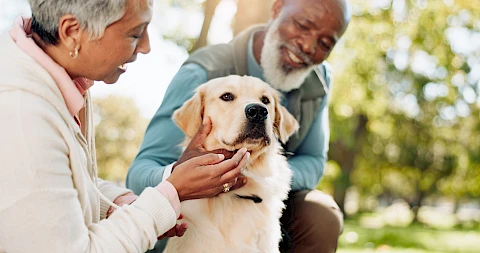
Parkinson's disease can present numerous challenges, such as mobility issues, mood fluctuations, and feelings of loneliness. Pet therapy, an increasingly recognized method, offers a potential solution by improving emotional well-being, reducing stress, and providing companionship. Let’s explore how interacting with animals can be valuable in managing Parkinson’s symptoms.
Pet Therapy's Role in Parkinson's Care
Pet therapy, also known as animal-assisted therapy, involves spending time with trained animals. This type of therapy has been used for many years to help people cope with health issues. Common animals used in pet therapy include dogs, cats, and even some birds. Each brings unique qualities that can help brighten the day for those they visit.
The Emotional & Cognitive Benefits of Pet Therapy
Pet therapy, or animal-assisted therapy, involves spending time with specially trained animals, such as dogs, cats, and sometimes even birds. This therapy has been used for years to help people cope with various health conditions. For seniors with Parkinson’s, regular interaction with animals has been shown to:
- Boost mood and reduce feelings of depression by triggering the release of feel-good hormones.
- Reduce anxiety and stress, offering a sense of calm and comfort.
- Provide emotional support, helping to lessen feelings of loneliness and isolation.
- Stimulate cognitive functions by encouraging mental engagement and interaction.
Physical Benefits of Pet Therapy
Beyond emotional and cognitive support, pet therapy also offers physical benefits. Engaging with animals often encourages movement, which can help improve motor skills and coordination. Physical activities like walking, playing, or even grooming a pet can enhance flexibility and strength, offering a form of gentle exercise that promotes overall mobility.
The Social Benefits of Pet Therapy
Another benefit of pet therapy is the improvement in social interactions. Therapy animals can foster connections, both with the animals and with others. Whether it's a group activity or one-on-one sessions, therapy animals create opportunities for communication and shared experiences. Regular interaction with therapy animals can also reduce feelings of isolation by offering companionship and building a sense of community.
Real-Life Impact of Pet Therapy
There are numerous success stories of seniors with Parkinson's who have found pet therapy to be transformative. Many report feeling more motivated and uplifted after spending time with therapy animals. Some individuals have experienced improvements in social engagement, while others report enhanced physical movement. Studies have shown promising outcomes, with participants describing improved mood and a better ability to manage their symptoms. These real-world successes underscore the potential for pet therapy to improve the quality of life for those managing Parkinson’s.
How to Get Started With Pet Therapy
Begin by researching local pet therapy programs to find one that fits your needs. Consider starting with short, regular sessions to see how it helps. Incorporating pet therapy sessions into the daily routine can provide consistency and the most benefit.
You can also consider adopting a well-behaved pet of your own. Reputable shelters will help match you with the animal that suits your needs, personality, experience, and lifestyle.
Getting Started With Pet Therapy
If you're considering pet therapy for someone with Parkinson’s, start by researching local programs that offer these services. Many facilities provide short, regular sessions to see how individuals respond to therapy animals. Over time, incorporating these visits into a routine can offer consistent benefits. Alternatively, adopting a well-matched pet from a shelter can also provide ongoing companionship and support.
For a personalized experience, professional Parkinson's care services can assist in coordinating therapy sessions and ensuring the needs of both the individual and their animal companion are met.
Reliable Support for Pet Therapy and Parkinson’s Care
Pet therapy offers an array of benefits, from emotional support to physical exercise and increased social interaction. If you or a loved one is managing Parkinson's, pet therapy can complement other aspects of care, bringing comfort and joy. For assistance with integrating pet therapy into daily routines, or for support with any other Parkinson’s care needs, consider professional home care services.
In areas such as Salerno, Port St. Lucie, Fort Pierce, Vero Beach, and Sebastian, Senior Helpers provides specialized care designed to support both the patient and their caregivers. Reach out today to learn how we can help enhance the quality of life through compassionate care services.