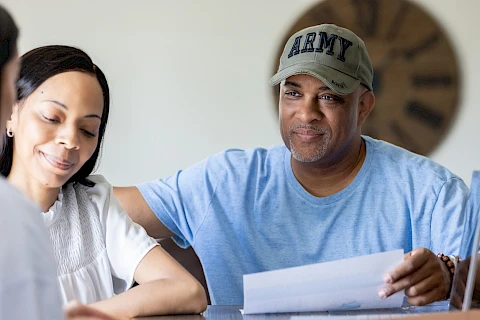
If your spouse served in the military and is now aging at home, the VA system can feel like a maze of forms, phone trees, and eligibility rules that shift depending on whom you talk to. You're not alone in that frustration. Senior Helpers knows that there are many navigating the same process, often without a clear starting point. The good news is that real support for senior VA benefits is available, and knowing where to begin makes the whole thing more manageable.
What You'll Need Before You Make the First Call
Before contacting the VA or any benefits organization, gather as much documentation as possible. Here are some items you should have with you:
- Locate the DD-214 form to verify service history and discharge status.
- Collect current medical records, specific diagnoses linked to service-connected conditions, Social Security numbers for both partners, and proof of marriage.
- Gather comprehensive financial documents if applying for income-regulated, need-based assistance programs, such as the Aid and Attendance benefit.
- Pull paperwork detailing any previously assigned VA rating to determine eligibility thresholds and benefit levels.
- Utilize the National Archives veterans records request process to recover missing service histories or discharge papers if certain documents are unavailable.
Who to Contact and Where to Start
The VA's own website is a reasonable starting point for general information. Nevertheless, you can access several free resources to navigate senior VA benefits
- Start by reviewing general eligibility guidelines on the official VA website and checking the VA's pension benefit overview for specific Aid and Attendance requirements.
- Connect with local chapters of accredited Veterans Service Organizations. For example, the American Legion, VFW, or Disabled American Veterans can receive free claims assistance from trained representatives.
- Visit a county Veterans Service Office to sit down with a state-certified officer who will review your options at no cost.
- Consult an accredited VSO representative or an elder law attorney to ensure the application is submitted the first time correctly and avoid processing delays.
Having the Conversation With Your Spouse
Bringing up senior VA benefits sometimes feels like a delicate subject, especially if your spouse tends to downplay their service or is reluctant to ask for help. Focus on practical next steps in the conversation. For example, say, "I've found some programs that could help us. Can you help with gathering some papers?"
Create a folder, either physical or digital, for important documents. Include the DD-214, current VA card, list of service-connected conditions, and contact information for your VA representative. This allows a family member to step in without starting from scratch if needed. Many seniors find this process brings peace of mind.
When In-Home Care Makes Sense Alongside Senior VA Benefits
Veteran benefits can help cover or offset the cost of professional in-home care, and many families find that the two work well together. Senior Helpers of Panama City supports families throughout Panama City, Chipley, Lynn Haven, Marianna, and Bonifay who are coordinating care with VA resources. Contact us to talk through how in-home care can complement the benefits your spouse has already earned.