Why Familiar Caregivers Matter in Daily Personal Care Routines
Skip main navigation
Serving North Palm Beach and surrounding areas.
Type Size
Serving North Palm Beach and surrounding areas.
Past main navigation Contact Us

Why Familiar Caregivers Matter in Daily Personal Care Routines

Daily personal care is deeply personal. For many older adults, accepting help with bathing, dressing, or mobility can feel uncomfortable at first, even when that support improves safety and well-being. Families seeking personal care for seniors in Palm Beach often focus on what kind of assistance is needed, but just as important is who provides that care. Familiar caregivers can shape how seniors experience daily routines, turning necessary help into moments of comfort, stability, and trust rather than stress or unease.

Consistency in caregiving is not simply a preference. It plays a meaningful role in preserving dignity, supporting emotional well-being, and helping seniors feel secure in their own homes.

Personal Care Is About More Than Tasks

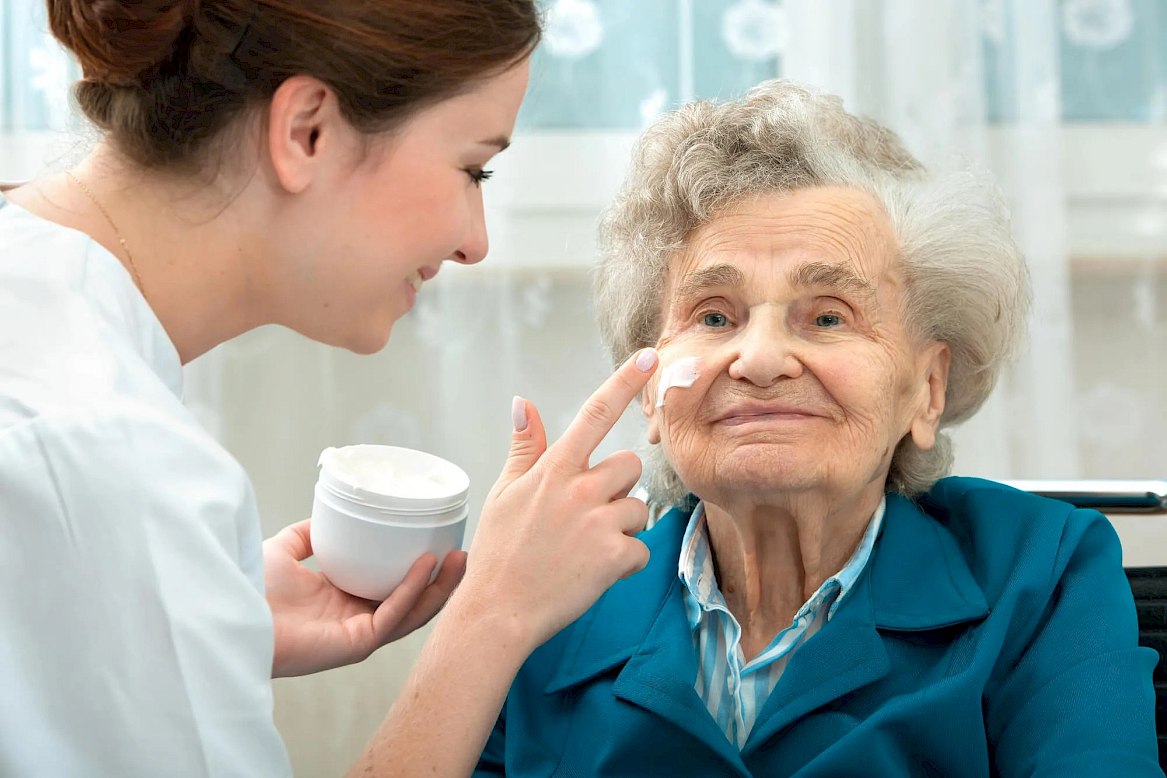
Personal care encompasses assistance with everyday activities, including hygiene, grooming, dressing, toileting, and mobility. These tasks support physical health, yet they also touch on privacy and self-esteem. Receiving help with personal routines requires trust, patience, and mutual understanding.

When care is delivered by someone unfamiliar, seniors may feel guarded or hesitant. Over time, repeated interactions with the same caregiver allow familiarity to develop. Familiar caregivers learn routines, preferences, and boundaries, which helps personal care feel respectful and predictable rather than intrusive.

Daily care works best when seniors feel understood and supported, not rushed or uncomfortable.

The Emotional Impact of Familiar Caregivers

Trust Builds Over Time

Trust grows through consistent interactions. A familiar caregiver understands how a senior prefers tasks to be handled, when reassurance is most helpful, and how to approach sensitive moments with care. These details matter, especially during activities that require vulnerability.

As trust strengthens, seniors often feel more at ease during their daily routines. Familiar faces and voices help create a sense of safety, allowing care to unfold in a calm and cooperative manner.


Reduced Stress and Resistance

Seniors may resist care when they feel uncertain or overwhelmed. This can happen when different caregivers rotate frequently or when routines feel unpredictable. Familiar caregivers reduce that resistance by offering stability.

Knowing who will arrive and what to expect brings a sense of comfort. Over time, daily care becomes a familiar rhythm rather than an interruption, easing emotional strain for seniors and families alike.

Consistency Supports Cognitive Comfort

Familiar Faces Create Predictability

Routine supports cognitive comfort. Seeing the same caregiver reinforces daily structure through repetition. Familiar voices, gestures, and communication styles help seniors stay oriented and confident throughout the day.

Predictability can be grounding, especially during transitions such as morning preparation or evening routines. Familiar caregivers help seniors anticipate what comes next, reducing confusion and uncertainty.


Why This Matters for Seniors With Memory Changes

For seniors experiencing memory changes, unfamiliar interactions can increase confusion or agitation. Familiar caregivers provide continuity, which supports calm and steady routines.

Over time, caregivers learn how to communicate effectively, recognize the early signs of distress, and adjust their approach as needed. This consistency supports emotional balance and helps seniors feel more at ease during daily care.

Dignity and Independence in Daily Routines

Respecting Personal Preferences

Dignity is preserved when caregivers respect personal preferences. Familiar caregivers learn how a senior prefers tasks handled, from clothing choices to timing and pace. This understanding allows care to feel collaborative rather than directive.

Seniors remain involved in decisions about their daily routines, reinforcing autonomy and self-respect.


Encouraging Independence, Not Replacing It

Familiar caregivers know when to assist and when to step back. They recognize what a senior can do independently and where gentle support is needed. This balance encourages seniors to stay active participants in their own care.

By supporting independence rather than replacing it, familiar caregivers help maintain confidence and self-esteem.

Physical Safety Improves with Familiarity

Better Awareness of Mobility Needs

Mobility can change gradually. Familiar caregivers are more likely to notice subtle shifts in balance, coordination, or strength. These observations help reduce fall risks and prevent discomfort.

Because they understand a senior’s usual movement patterns, caregivers can adjust support naturally without drawing attention to changes.


Safer Transfers and Daily Movement

Transfers such as moving from bed to chair or navigating the bathroom require coordination and trust. Familiar caregivers understand how to provide steady assistance while respecting comfort and pace.

This familiarity supports safer movement and reduces physical strain, making daily routines smoother and more comfortable.

Why Families Value Consistent Caregivers

Consistency in caregiving does not only benefit seniors. Families also experience greater peace of mind when the same caregiver is involved day after day. Familiarity fosters trust, enhances communication, and contributes to a smoother overall care experience.

Here are a few key reasons families value consistent caregivers:

  • Clearer communication: Families can easily share updates or concerns with someone who already understands their loved one’s routines, preferences, and communication style.
  • Less repetition: Consistent caregivers reduce the need to repeatedly explain daily habits, mobility needs, or comfort preferences. This saves time and lowers frustration.
  • Stronger trust over time: Familiarity allows families to feel confident that care is being provided thoughtfully and attentively.
  • Better coordination: As caregivers learn patterns and changes, they can respond more naturally and keep families informed.
  • A true care partnership: Ongoing collaboration helps families stay involved while knowing their loved one is supported with continuity and respect.

Together, these benefits help families feel supported, informed, and reassured throughout the caregiving process.

Are You Interested in Personal Care for Seniors in Palm Beach?

Choosing personal care involves more than scheduling assistance. It means finding care that respects routines, preferences, and individuality. Familiar caregivers help create stability, trust, and comfort in daily life.

Senior Helpers is dedicated to providing seniors with compassionate, consistent care that prioritizes their dignity and emotional well-being. Families are encouraged to reach out to learn more about personalized care options and how continuity in caregiving can support daily routines with respect and understanding. Contact us today to book a consultation!