What Families Should Know About In Home Care for Veterans in Palm Beach
Watching a veteran loved one need more help at home can be difficult for any family. Tasks that once seemed simple may start taking longer. Driving, meal preparation, housekeeping, or personal care may become more challenging with age, illness, or mobility changes. At the same time, your loved one may strongly prefer to remain in the comfort of home rather than move to a care facility. Families often find themselves asking what support is available and how to pay for it. Learning more about in home care for veterans in Palm Beach can help families identify resources that support independence, safety, and quality of life.
Understanding In-Home Care for Veterans
What Does In-Home Care Include?
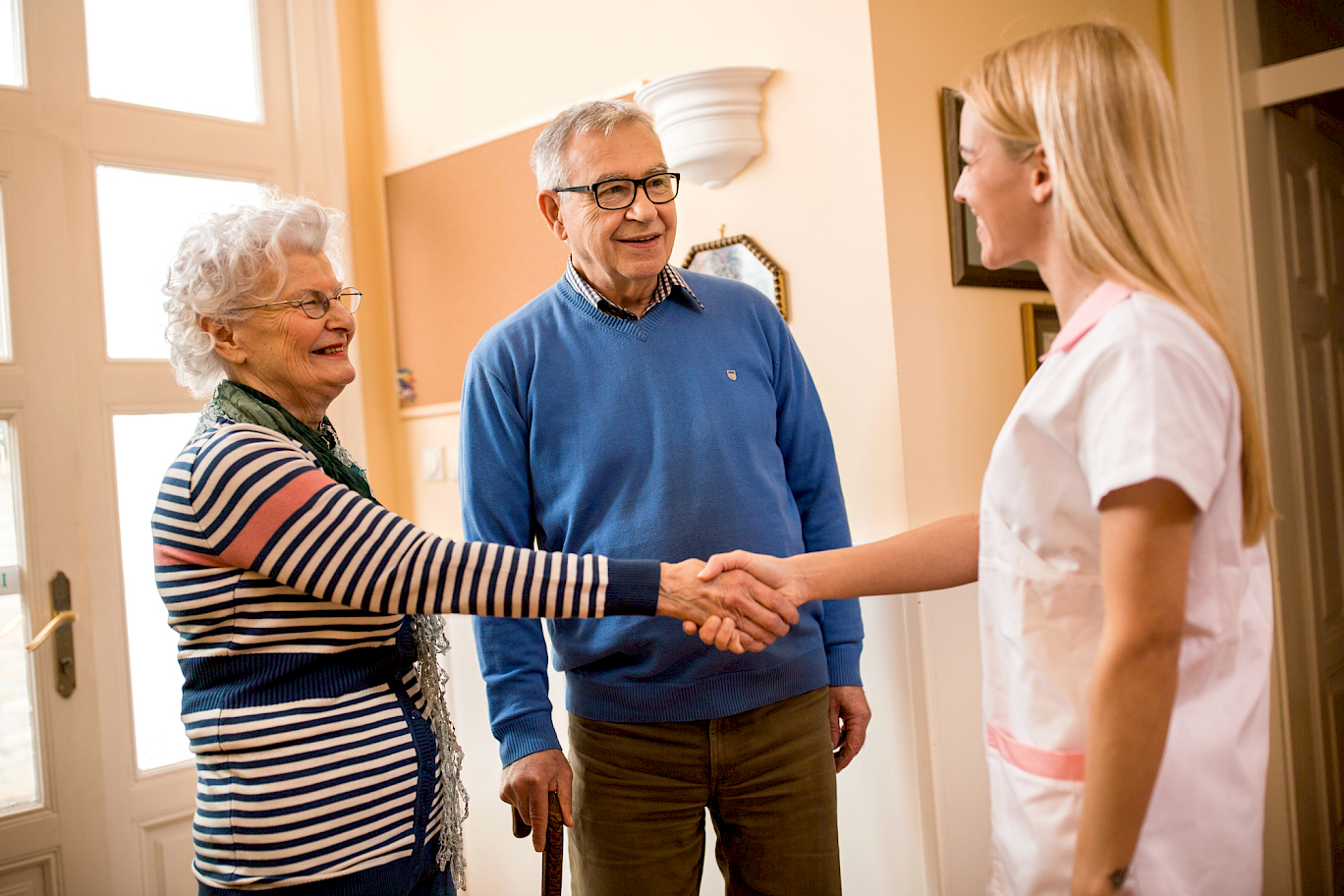
In-home care provides non-medical assistance that helps older adults continue living safely and comfortably in their own homes. Services are tailored to each person's needs and can range from occasional assistance to more regular support.
Depending on the situation, care may include:
- Personal care assistance
- Bathing and dressing support
- Meal planning and preparation
- Light housekeeping
- Medication reminders
- Transportation to appointments
- Companionship and social engagement
- Assistance with daily routines
The goal is to help veterans maintain as much independence as possible while receiving support where it is needed.
Why Veterans Often Prefer Care at Home
For many veterans, home represents familiarity, comfort, and independence. It is where they have built routines, raised families, and created lasting memories.
Remaining at home allows veterans to stay connected to their community and maintain daily habits that are important to them. Familiar surroundings can also provide a sense of confidence and stability during periods of aging or changing health needs.
In-home care supports that goal by bringing assistance directly to the veteran instead of requiring them to relocate.
Care Needs Can Change Over Time
Every veteran's situation is unique. Some may only need help with errands or household tasks for a few hours a week. Others may require ongoing assistance with personal care and mobility.
Health conditions, recovery from illness, or age-related changes can affect daily functioning over time. Flexible care plans allow support to grow or change as needs evolve.
Signs a Veteran May Benefit From Additional Support
Daily Tasks Are Becoming More Difficult
Families often notice small changes first. A loved one may struggle to keep up with housekeeping, skip meals, miss appointments, or have difficulty managing daily routines.
These challenges do not always mean a veteran can no longer live at home. They may simply indicate that some additional support would be helpful.
Mobility Changes Are Affecting Safety
Difficulty walking, balance concerns, or a recent fall can make everyday activities more stressful.
Support with mobility and daily tasks can help veterans move around their homes with greater confidence while reducing physical strain.
Family Caregivers Are Feeling Overwhelmed
Family members frequently take on caregiving responsibilities out of love and commitment. Over time, balancing caregiving with work, parenting, and household obligations can become demanding.
Additional support can help relieve some of that pressure while allowing family caregivers to focus on spending meaningful time with their loved one.
Social Isolation Is Increasing
Older adults who spend much of their time alone may experience loneliness or reduced social engagement. Regular companionship can help veterans stay connected and maintain social interaction throughout the week.
Understanding VA Benefits for Home Care
Financial Assistance May Be Available
One of the biggest misconceptions families have is that they must cover all care expenses on their own. Some veterans and surviving spouses may qualify for programs through the U.S. Department of Veterans Affairs that can help offset the cost of care.
These benefits can provide valuable financial assistance for eligible individuals who need support with daily activities.
What Is the Aid and Attendance Benefit?
The VA Aid and Attendance benefit is an enhanced pension benefit available to certain qualifying veterans and surviving spouses.
The program is designed for individuals who require assistance with activities of daily living, such as:
- Bathing
- Dressing
- Eating
- Mobility assistance
- Personal care tasks
Eligibility requirements are based on several factors, including military service history, health needs, and financial qualifications.
Why Families Often Need Guidance
Navigating VA benefits can feel overwhelming. Families may be unsure about eligibility requirements, required documentation, or where to begin the application process.
Military records, financial information, and medical documentation may all be needed as part of the application. Having guidance through the process can help families better understand available resources and next steps.
How In-Home Care Supports Veterans and Their Families
Preserving Independence
One concern veterans sometimes have is that accepting help means giving up independence. In reality, support often allows older adults to remain independent longer.
Help with physically demanding tasks can make it easier to continue enjoying hobbies, social activities, and daily routines without unnecessary strain.
Supporting Safety at Home
Simple tasks can become more challenging as mobility and strength change. In-home caregivers can assist with daily activities while helping create a safer environment.
This support can be especially valuable after a hospitalization, illness, or injury.
Providing Companionship
Companionship is an important part of overall well-being. Having someone to talk with, share meals with, or participate in activities with can make a meaningful difference in a veteran's day.
Regular social interaction can help veterans remain engaged and connected.
Offering Peace of Mind for Families
Families cannot always be present every day. Work schedules, distance, and other responsibilities can make caregiving more difficult.
Knowing a loved one has dependable support at home can provide reassurance and reduce stress for family members.
Choosing the Right Care Partner
Look for Personalized Care
No two veterans have the same needs. A quality care provider takes the time to learn about the individual, their preferences, daily routines, and goals.
Personalized care plans help create support that feels comfortable and appropriate for each veteran.
Consider Available Resources
Families should also ask about programs and resources that may help make care more affordable. Guidance related to VA benefits can be especially valuable for veterans who may qualify for financial assistance.
Prioritize Communication
Open communication between caregivers, veterans, and family members helps everyone stay informed and involved in the care process.
Strong communication can also help identify changing needs and adjust care accordingly.

In Home Care for Veterans in Palm Beach: Helping Veterans Live Safely and Independently
Finding the right support for a veteran loved one can feel overwhelming, especially when trying to understand care options and available benefits. Senior Helpers is committed to helping veterans and their families access compassionate in-home care while providing guidance on resources such as VA Benefit Assistance.
Whether your loved one needs companionship, personal care support, or help with daily activities, the team works closely with families to create a personalized care plan that supports independence, dignity, and comfort at home. Contact Senior Helpers Palm Beach today to learn more about available services and how our team can help your family navigate the next steps with confidence.