
Understanding Parkinson’s Care: What Families Need to Know
A Parkinson’s diagnosis can shift daily life in ways families may not expect. Simple routines like getting dressed, preparing meals, or moving safely around the home can gradually become more challenging. As these changes unfold, many families begin searching for the right kind of support. Understanding how Parkinson’s Care in Palm Beach operates can help you make thoughtful decisions that prioritize your loved one's comfort, safety, and independence.
Parkinson’s care is not just about assistance; it is about building a strong support system that adapts as needs change over time.

What Makes Parkinson’s Care Different from General Home Care?
A Condition That Changes Over Time
Parkinson’s disease is progressive, which means symptoms evolve. Early stages may involve mild tremors or stiffness, while later stages can affect mobility, coordination, and cognitive function. Because of this, care plans must adapt continuously.
Unlike general home care, Parkinson’s care focuses on anticipating these changes and adjusting support accordingly. Families benefit from a flexible approach that grows with their loved one’s needs.
Focus on Both Motor and Non-Motor Symptoms
Parkinson’s does not only affect movement. Care also addresses non-motor symptoms such as changes in mood, memory, or behavior. Caregivers are trained to recognize these signs and respond with appropriate support strategies.
This dual focus provides a more comprehensive level of care that supports both physical and emotional well-being.
Personalized Care Plans
There is no single approach that works for everyone. Effective Parkinson’s care involves creating a plan based on daily routines, preferences, and current abilities.
This personalized structure helps maintain familiarity and comfort, which becomes increasingly important as the condition progresses.
Key Areas of Support in Parkinson’s Care
Assistance with Daily Living Activities
As Parkinson’s progresses, everyday tasks may require additional support. Caregivers can assist with:
- Dressing and grooming
- Bathing and hygiene
- Meal preparation
- Light housekeeping
These services help maintain dignity while reducing the physical strain on both seniors and family members.

Mobility and Fall Prevention
Movement challenges are a common concern. Caregivers are trained to support safe mobility, including helping with walking, transfers, and positioning. They also focus on reducing fall risks by improving home safety and assisting with balance-related activities. Maintaining mobility can make a meaningful difference in preserving independence.
Medication Reminders and Routine Support
Consistency is essential in managing Parkinson’s symptoms. Caregivers provide reminders to help maintain proper medication timing and support structured daily routines.
This structured approach helps reduce confusion and supports more stable daily functioning.
Nutrition and Light Exercise
Diet and movement both play a role in maintaining strength and comfort. Caregivers may assist with meal preparation and encourage light exercise routines tailored to the individual’s ability.
Small, consistent efforts in these areas can support overall well-being.
The Role of Specialized Training in Parkinson’s Care
Caregivers with Condition-Specific Knowledge
Parkinson’s care requires more than general caregiving experience. Specialized training equips caregivers with knowledge of how the condition progresses and how to respond effectively to different symptoms. This includes understanding posture changes, recognizing subtle behavioral shifts, and adapting care techniques accordingly.
Collaboration with Families and Healthcare Teams
Effective care involves coordination. Care providers often work alongside families and medical professionals to align care with ongoing health needs. This collaborative approach creates a more consistent and supportive environment.
Continuous Monitoring and Adjustments
Because Parkinson’s symptoms can change, ongoing assessments are important. Care plans are reviewed and updated regularly to reflect current needs. This allows families to feel more confident that their loved one’s care remains appropriate at every stage.
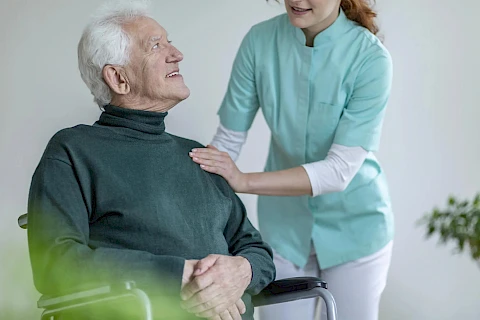
How Parkinson’s Care Supports Independence
Encouraging Participation in Daily Activities
Maintaining independence does not mean doing everything alone. It often means having the right level of support to continue participating in daily life.
Caregivers encourage seniors to stay involved in tasks they can still manage, offering assistance only where needed. This approach promotes confidence and preserves a sense of purpose.
Creating a Safe and Comfortable Home Environment
Home remains the most familiar and comforting place for many seniors. Parkinson’s care focuses on making this environment safer through adjustments that reduce risks while maintaining comfort.
This includes simple changes such as improving lighting, organizing living spaces, and supporting safe movement throughout the home.
Supporting Emotional Well-Being
Living with Parkinson’s can affect emotional health. Feelings of frustration or isolation may arise as abilities change.
Caregivers provide companionship and consistent interaction, helping reduce loneliness and support emotional balance.
Signs It May Be Time to Consider Parkinson’s Care
Families often wait until challenges become overwhelming before seeking support. Recognizing early signs can make the transition smoother.
You may want to consider Parkinson’s care if:
- Daily tasks are becoming more difficult or time-consuming
- Mobility issues increase the risk of falls
- Medication schedules are difficult to manage
- Caregiving responsibilities are becoming physically or emotionally demanding
- Your loved one is experiencing increased isolation
Early support can help maintain quality of life while easing pressure on family caregivers.
What Families Can Expect from Parkinson’s Care Services
A Structured Start with Assessment
Care typically begins with an in-home assessment. This allows care providers to understand routines, preferences, and current challenges. From there, a personalized care plan is developed to match the individual’s needs.
Flexible Scheduling Options
Care plans can range from a few hours a week to full-time support. This flexibility allows families to adjust services as needs change.
Consistent Communication
Ongoing communication among caregivers, families, and supervisors helps maintain alignment and enables timely adjustments to care.
A Focus on Quality of Life
Beyond physical assistance, Parkinson’s care centers on maintaining comfort, dignity, and a sense of normalcy at home.
Helping Your Loved One Live Well with Parkinson’s
Parkinson’s care is about more than managing symptoms—it is about supporting a meaningful daily life. With the right care approach, many seniors continue to enjoy familiar routines, meaningful connections, and a sense of independence.
Families do not have to navigate this process alone. With guidance, structured care, and trained support, it becomes easier to create a stable and supportive environment at home.
Looking for Parkinsons Care in Palm Beach?
Finding care for a loved one can feel overwhelming, but you do not have to manage it on your own. The team at Senior Helpers in Palm Beach provides personalized Parkinson’s care designed to support daily living, safety, and independence at home.
Their caregivers are specially trained, and every care plan is tailored to your family’s unique needs. Whether you need occasional assistance or more consistent support, they are ready to guide you through every step.
Reach out today to learn how Parkinson’s Care can help your loved one live comfortably and confidently at home.