The Healing Power of Home: How Familiar Spaces Support Senior Well-Being
Skip main navigation
Serving North Palm Beach and surrounding areas.
Type Size
Serving North Palm Beach and surrounding areas.
Past main navigation Contact Us

The Healing Power of Home: How Familiar Spaces Support Senior Well-Being

Picture an older adult who has spent decades in the same home. Every wall, chair, and photo tells a story. Now imagine that person suddenly relocated to a facility with new routines, unfamiliar rooms, and faces they’ve never met. Research shows that such moves can trigger stress, confusion, and even health decline. That’s why the benefits of in home care for seniors are so vital: it helps them stay safe and supported without losing the comfort of their own space,

Why Moving Seniors Can Backfire

Relocation Stress and Depression

Relocation stress syndrome is a well-documented condition affecting many older adults who are moved into new environments. A 2019 study found that relocation stress predicted depression in the first year after a move, regardless of whether the person had cognitive impairment. Leaving home often means losing familiarity and a sense of control, which can fuel emotional distress.

Higher Mortality and Health Decline

Several studies have linked relocation to negative health outcomes. A classic review highlighted reduced life satisfaction and shorter longevity in seniors who were moved from their homes. Other research has shown increased mortality rates in the months after forced moves between nursing homes. These findings don’t mean every move causes harm, but they emphasize how risky transitions can be for vulnerable adults.

Cognitive and Functional Decline

For many, a move disrupts daily habits and spatial orientation. A new floor plan, new routines, and fewer familiar cues can overwhelm. Some studies have documented declines in mobility, daily living capacity, and cognitive clarity in the first few months after relocation.

Social Disorientation and Isolation

Relocation can sever ties with long-standing neighbors, local friends, and community activities. This sudden loss of social connection often leads to loneliness and disorientation. Studies consistently report increased feelings of isolation and behavioral changes in older adults after moves.

Everyday Scenarios That Show the Power of Home

  • Hospital discharge into a facility: A senior recovering from surgery is sent to a rehab center instead of returning home. Without familiar surroundings, recovery may feel harder and slower.
  • Loss of a spouse: A widow or widower may be pressured to relocate despite still managing well. The sudden change can lead to withdrawal or depression.
  • Early dementia or mobility decline: Families often assume assisted living is the only choice, but moving too soon can increase confusion and stress.
  • Long-distance relocation: Moving away from a lifelong community can shorten longevity. One MIT study found that seniors who relocated long distances often experienced measurable changes in life expectancy.

These scenarios highlight how fragile relocation can be. But why does home matter so much? Research points to the powerful role familiar environments play in keeping seniors stable and confident.

The Role of Familiar Environments in Cognitive Health

Familiar settings help preserve memory function, especially for older adults with Alzheimer’s or dementia. Everyday cues like family photos, well-worn furniture, or the smell of home cooking stimulate recognition and memory. These details aren’t trivial; they act as anchors that help seniors remain oriented and less confused. In-home care allows these cues to stay part of daily life, providing gentle reinforcement of identity and comfort.
How Staying Home Supports Stability

Remaining at home offers a level of stability that no new environment can fully replicate. The spaces, routines, and objects that have been part of daily life for years act as anchors that help older adults feel safe and supported.

Cognitive Anchors

Familiar surroundings serve as powerful memory cues. Recognizing the home's layout, the location of essential rooms, or the sight of treasured photos helps seniors stay oriented. These cues reduce confusion and allow them to confidently move through the day.

Continuity of Routine

Daily routines play a vital role in maintaining independence. Drinking coffee at the kitchen table, tending a garden, or walking along a familiar street provide structure and comfort. Preserving these habits keeps seniors grounded and encourages a sense of purpose.

Emotional Security

Belongings tied to personal history—such as wedding photographs, gifts from loved ones, or a favorite piece of furniture—carry emotional weight. Being surrounded by these reminders offers reassurance, eases anxiety, and strengthens emotional well-being.

Gradual Support Instead of Disruption

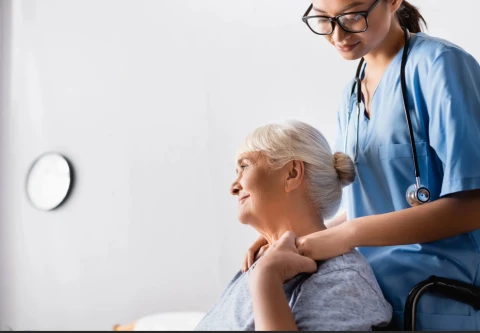
In-home caregivers allow seniors to receive help with everyday needs without the upheaval of relocation. Support with cooking, personal care, or light chores blends into the home setting, allowing seniors to keep their lifestyle intact.

Lower Risk of Transition Shock & Stronger Social Ties

Studies show many health risks appear shortly after a major move. Staying home avoids this stress while keeping seniors close to friends, neighbors, and family. These ongoing connections reduce isolation and lift overall quality of life.

Emotional Well-Being and Quality of Life at Home

Beyond physical safety, emotional health is essential to aging well. Seniors who remain at home often report greater happiness and less stress than those who transition to facilities. The continuity of personal rituals—watching TV in a favorite chair, greeting neighbors, or sharing meals at the family table—contributes to emotional stability.

In-home caregivers can strengthen this by offering companionship, engaging in conversation, and supporting activities that bring joy. Over time, these small but steady comforts foster resilience, reduce anxiety, and protect quality of life.

Building Safety and Comfort at Home

In-home care is most effective when the home itself promotes both safety and comfort. Simple adjustments and caregiver support can make everyday life easier and more secure. Examples include:

  • Fall prevention: Adding grab bars in bathrooms, brighter lighting in hallways, and non-slip rugs to lower the risk of falls.
  • Healthy living: Caregivers prepare balanced meals, assist with grocery planning, and handle laundry or light cleaning.
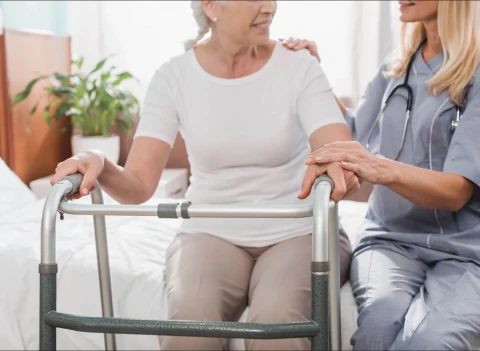
  • Mobility support: Offering a steady hand for walking, transfers, or gentle exercise helps seniors stay active and confident.
  • Companionship: Spending time with seniors throughout the day to reduce feelings of loneliness and provide emotional support.
  • Cognitive engagement: Activities such as reading aloud, playing memory games, or working on puzzles to stimulate the mind and encourage social interaction.

Together, these measures create a safe, welcoming environment where seniors can enjoy familiar surroundings while receiving the care they need.

Do You Have More Questions About the Benefits of In Home Care for Seniors?

Moving seniors out of their homes can lead to stress, depression, health decline, and loss of social connections. Studies confirm that sudden relocation often has real consequences for both physical and emotional well-being. By contrast, the benefits of in home care for seniors are clear. Staying at home preserves memory cues, routines, emotional anchors, and community ties—all of which protect health and happiness.

At Senior Helpers, our mission is to deliver compassionate, professional care right where it matters most—at home. From companionship to daily living support, we help families keep loved ones safe and comfortable in familiar surroundings.

Contact Senior Helpers today to learn how our in-home care services can help your loved one enjoy the comfort of home with the support they need.