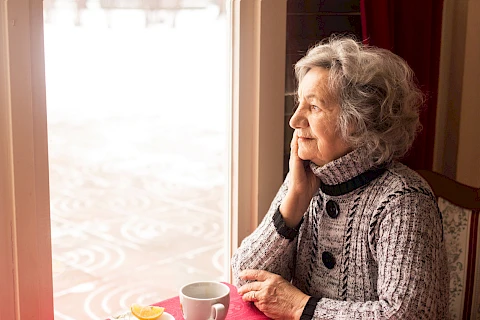
Winter can be a challenging time for many people, especially seniors. The shorter days and colder weather can sometimes lead to feelings of sadness and loneliness, often referred to as seasonal depression or the holiday blues. Seniors need to be aware of their mental health during this time, as recognizing the signs of depression can lead to early intervention and effective care.
Seasonal Depression
Seasonal depression, also known as Seasonal Affective Disorder (SAD), is a type of depression that occurs at the same time each year, typically in the winter months when there is less natural sunlight. It is more than just feeling down for a few days—SAD can significantly impact daily life and enjoyment. It's different from the general holiday blues, which are typically temporary feelings of sadness associated with the holiday season. Acknowledging these feelings is necessary for addressing them effectively.
Identifying Symptoms
Recognizing the symptoms of depression can be the first step towards getting help. Seniors may experience depression differently from younger individuals, and it can often be mistaken for other ailments. Common signs include:
- Fatigue and changes in sleep patterns, such as excessive or insufficient sleep, can occur.
- Loss of interest in activities once enjoyed, including hobbies and social events.
- Emotional symptoms like persistent sadness, irritability, or feelings of hopelessness.
- Physical symptoms, such as changes in appetite or unexplained aches and pains.
Being aware of these symptoms allows for better self-monitoring and the ability to seek help sooner rather than later.
Risk Factors for Seniors
Seniors might be particularly vulnerable to seasonal depression due to several factors. The lack of sunlight during winter can disrupt your body's internal clock, leading to feelings of depression. Holidays can also be a reminder of lost loved ones, increasing feelings of isolation and loneliness. Additionally, existing health conditions or medications can sometimes intensify symptoms of depression. Understanding these risk factors helps with prevention and management.
Coping Strategies
Several strategies can help manage feelings of depression during winter. Maintaining a routine can provide structure and a sense of normalcy during the darker months. Consistency in daily activities helps create stability and can prevent feelings of aimlessness that often accompany seasonal depression.
Staying active is another key approach to managing winter depression. Gentle exercises, such as walking or stretching, can boost mood by releasing endorphins and providing a sense of accomplishment. Even light physical activity can make a significant difference in how you feel on a day-to-day basis.
Social engagement remains integral during the winter months when isolation can become more common. Attending community events or family gatherings helps you stay connected with others and reminds you that you're not alone. These interactions can provide emotional support and create positive experiences that counteract depressive feelings.
Light therapy can be particularly effective for seasonal depression. Spending more time outdoors during daylight hours, even on cloudy days, exposes you to natural light that your body needs. For those who cannot get outside regularly, using a light therapy box can help counteract the effects of reduced sunlight. Even small changes can make a big difference in improving mood and overall well-being.
When to Seek Professional Help
Recognize when self-care strategies are insufficient and professional help is necessary. If symptoms persist for more than a few weeks or interfere with your daily life, it might be time to speak with a healthcare provider. Professional treatment options are available, including therapy, medication, and support groups. Please don't hesitate to reach out if you need anything.
Supporting Seniors With SAD
Remember, your mental health matters just as much as your physical health. If you or a loved one is struggling with depression, know that support is available. Reaching out to resources like Senior Helpers North Palm Beach can provide valuable assistance and guidance with senior care. We offer services in West Palm Beach, Jupiter, Belle Glade, Lake Worth, and Palm Beach County. Contact us now.