As the winter months roll in, seniors need to be mindful of their health and well-being. Colder weather can bring on some unique challenges, including increased risk of depression, higher spread of illness, and less sunshine. However, with thoughtful planning and some proactive steps, it's possible to stay healthy and thriving throughout the season.
Boosting the Immune System
The winter months often see a rise in colds and viruses. Strengthening your immune system is the first line of defense. Ensure you are up to date on vaccinations, such as flu shots and COVID-19 boosters. These are vital in protecting against common winter illnesses. Consider taking nutritional supplements and vitamins that support your immune health. Vitamin C, vitamin D, and zinc are popular choices. Additionally, maintaining good hygiene practices, such as frequent handwashing and avoiding close contact with sick individuals, is paramount.
Safe Indoor Exercise
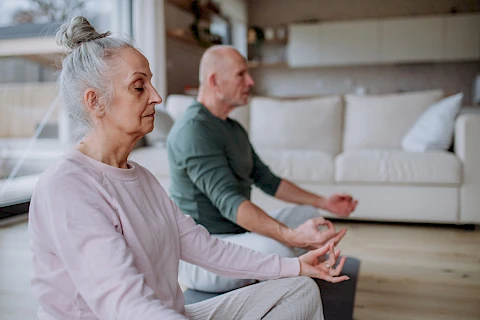
Just because it's cold outside doesn't mean you should skip physical activity. Exercising indoors can keep you fit and healthy through the winter. It's important to stay active, as it helps maintain mobility and boosts mood. Try low-impact indoor exercises like yoga, stretching, or using light weights. These can be tailored to your fitness level and are easy to do at home. Before starting any new exercise routine, it's crucial to consult with your healthcare provider to ensure it's safe and appropriate for you.
Proper Nutrition for Cold Months
A balanced diet is essential, especially during winter when the body needs more energy to stay warm. Include nutrient-rich foods in your diet, such as fruits, vegetables, whole grains, and lean proteins. Don't forget to stay hydrated. It's easy to drink less water in winter, but it's just as important as ever. Try enjoying warm, hydrating drinks like herbal teas or broths. Easy-to-make, healthy winter recipes, such as soups or stews, can be both delicious and nutritious.
Managing Seasonal Mood Changes
Winter can sometimes bring feelings of sadness, a condition known as Seasonal Affective Disorder (SAD). It's important to recognize these mood changes and take steps to improve mental health. Light therapy can also be beneficial. Engaging in hobbies you enjoy can also lift your spirits. And remember, professional help is always available if you need it. Don't hesitate to reach out to a mental health professional if your mood doesn't improve.
Cold Weather Safety Concerns
Safety is a top priority as winter weather can increase the risk of injuries. To prevent falls, ensure your home has clear walkways and secure rugs. Dress in layers to protect against the cold, and keep your home well-heated. It's also vital to have functioning smoke detectors and carbon monoxide alarms for safety, especially if you're using heaters.
Staying Socially Connected
Social interactions are crucial for maintaining mental health and well-being. The winter weather can make it harder to see loved ones in person, but there are creative ways to stay connected. Consider virtual meet-ups or regular phone calls. Many community centers offer virtual activities, which can be a great way to engage with others.
Get More Help This Winter
Winter doesn't have to be a challenging time for seniors. By focusing on boosting your immune system, staying active, eating well, managing your mood, and prioritizing safety, you can make the most of the season. Remember to stay socially connected with friends and family, even if the weather poses obstacles.
For comprehensive support and assistance tailored to your needs, don't hesitate to reach out to Senior Helpers Melbourne. We're here to help you stay healthy and happy during the winter months in Melbourne, Palm Bay, Grant, Malabar, and Sebastian. Prioritize your wellness this winter, and you'll find yourself thriving no matter how cold it gets outside.