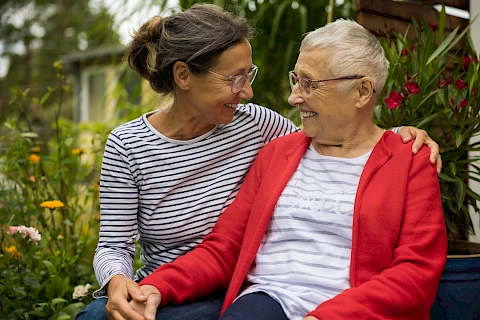
Transitioning from the hospital back to home can be a significant change for seniors. While leaving the hospital marks a step towards recovery, it also brings a new set of challenges that require understanding and management. For caregivers and family members, awareness of these post-discharge issues is crucial to providing appropriate support.
Mobility Limitations
After a hospital stay, many seniors experience mobility limitations that can restrict their independence and affect daily activities. Whether it's weak muscles, joint pain, or balance issues, these challenges can make simple tasks daunting. Practical solutions, such as home modifications, can make spaces safer and more accessible. Installing grab bars in the bathroom or removing tripping hazards such as rugs can help prevent accidents. Mobility aids such as walkers or canes, along with physical therapy, can help regain strength and confidence.
Medication Confusion
Managing medications can become an overwhelming task for seniors, especially when dealing with new prescriptions or multiple medications. Confusion can lead to missed doses or medication errors, posing serious health risks. To tackle this, using medication management tools like pill organizers can help keep track of schedules. Caregivers can assist with reminders and ensure medications are taken as prescribed. Pharmacist consultations can further clarify any doubts and help in understanding medication regimens.
Emotional Adjustment
Returning home can bring a mix of emotions for seniors. While it's comforting to be in familiar surroundings, the transition can also induce feelings of isolation, anxiety, or even depression. Emotional support is vital during this time. Encouraging participation in counseling or support groups can help seniors express their feelings and connect with others facing similar challenges. Family involvement and regular visits offer reassurance and strengthen their support network.
Dietary Changes
Adhering to dietary changes is often necessary after a hospital stay, whether due to a new health condition or a doctor's recommendations. However, adapting to new meal plans can be difficult, especially if it involves significant changes in diet or appetite. Meal planning and nutritional education can aid in following dietary guidelines. Caregivers can assist by preparing appealing and nutritious meals, ensuring seniors receive the nutrients they need for recovery.
Fatigue and Recovery
Post-hospitalization fatigue is a common challenge that can affect a senior's recovery process. Understanding that tiredness is a part of healing is essential. Balancing rest with necessary activities helps maintain energy levels. Seniors should be encouraged to take short naps if needed, but also engage in light physical activities to gradually build stamina. It's crucial to listen to their bodies and take it one step at a time.
The Importance of Patience
Patience is key during the recovery journey. Both seniors and caregivers must understand that progress may be slow, and setbacks can occur. Creating a supportive environment where seniors feel encouraged to express their needs and concerns can foster a positive recovery experience. Caregivers play a vital role in this process, offering reassurance, support, and understanding as seniors regain their health and independence.
Provide More Care for a Senior Returning Home From the Hospital
The journey from hospital to home involves navigating various challenges such as mobility limitations, medication confusion, emotional adjustments, dietary changes, and fatigue. By understanding and addressing these issues, caregivers can ensure a smoother transition for their loved ones. Remember, support and resources are available to help manage these challenges effectively.
If you need professional caregiving services in Melbourne, Palm Bay, Grant, Malabar, or Sebastian, contact Senior Helpers Melbourne. We offer a variety of care services to improve quality of life after hospitalization, including our ReturnHome transitional care, designed for these challenging periods.