Building Confidence Through Supportive Movement
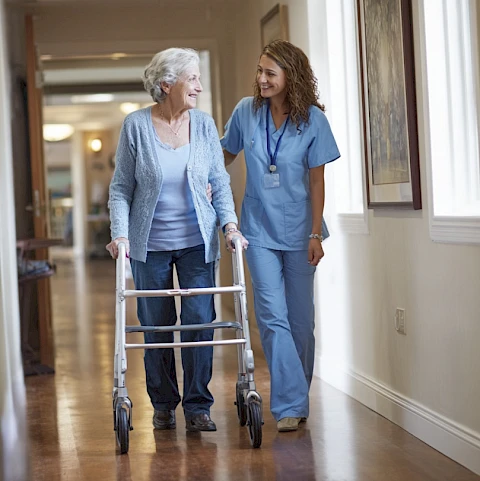
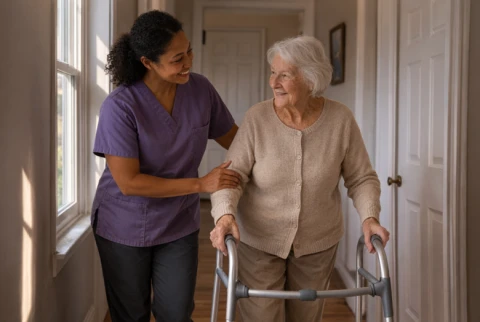
Mobility can feel stressful when balance shifts or muscles tire more easily. Caregivers help by offering secure guidance during steps, assisting with positioning, and creating a supportive atmosphere that encourages seniors to stay active. When seniors feel reassured during these moments, they are more willing to participate in daily movement.
Smoother routines also grow from practical ideas that clarify how movement can feel more secure. This is why integrating insights such as safe transfer ideas can make mobility transitions more comfortable. Gentle guidance during standing, sitting, or shifting positions helps seniors feel more in control as they move throughout the day.
Creating Safe, Comfortable Mobility Routines
Safety is essential for seniors who experience changes in balance or coordination. Caregivers help create environments that feel stable and predictable by adjusting furniture placement, removing clutter, or preparing supportive seating. These small changes contribute to smoother walking paths and safer transitions.
Clear routines help seniors understand each step of a movement sequence. Whether preparing to stand from a chair, shift weight, or walk to another room, familiarity with the process brings a sense of ease. Caregivers provide verbal cues, physical steadiness, and patient pacing, which helps seniors stay engaged in their own mobility rather than feeling unsure or hesitant.