Why Falls Happen More Easily Over Time
Changes in strength, vision, and reaction time can quietly increase fall risk. Even familiar spaces may present challenges when balance feels less steady or joints feel stiff. Many falls occur during everyday activities like standing from a chair, walking to the bathroom, or reaching for commonly used items.
Awareness is key. When seniors feel unsure but do not want to ask for help, they may attempt movements that feel manageable but carry risk. Gentle assistance fills that gap by offering reassurance without taking over. This balance supports dignity while reducing the likelihood of sudden slips or missteps.
How Gentle Assistance Supports Safer Movement
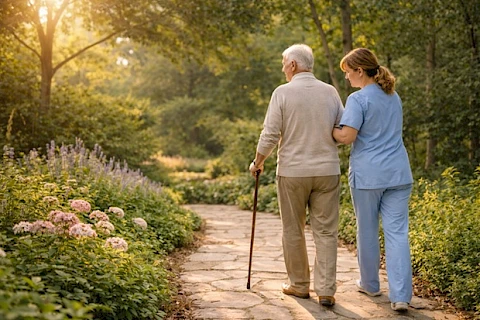
Gentle assistance focuses on guidance rather than control. Caregivers remain nearby to offer steadying support, verbal cues, or a reassuring presence during movement. This approach allows seniors to stay active while knowing help is available if needed.
Simple actions such as walking side by side, offering an arm for balance, or ensuring pathways remain clear can make a noticeable difference. These efforts reflect how consistent support contributes to safer routines, similar to the role daily habits play in maintaining safety through senior safety routines. Over time, steady guidance builds confidence in movement.
The Role of Awareness and Environment
Fall prevention also involves paying close attention to surroundings. Loose rugs, cluttered walkways, and poor lighting can turn ordinary spaces into hazards. Gentle assistance includes staying mindful of these details throughout the day.
Caregivers naturally notice when furniture placement needs adjusting or when frequently used items should be within easy reach. These subtle changes reduce the need for sudden movements that may affect balance. By supporting safe navigation at home, seniors feel more comfortable moving independently.
