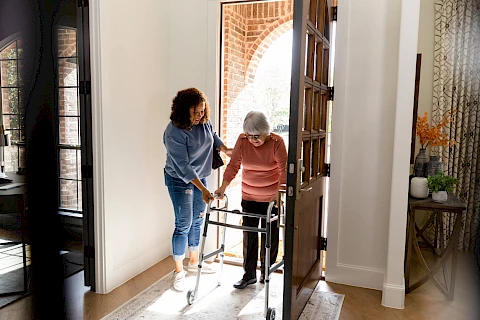
Welcoming a senior loved one into your home is a generous decision, and it comes with a real learning curve. Homes that work perfectly well for younger adults can present hazards that are easy to miss until something happens. Walking through your home with fresh eyes before your loved one arrives, or in the first weeks after, is one of the most practical things you can do.
Changes That Help Nearly Every Senior
Some modifications are broadly useful regardless of your loved one's specific health situation.
Lighting is often underestimated. Seniors need two to three times as much light as younger adults to see clearly. Add lamps in dark hallways and corners, install night lights along the path between the bedroom and bathroom, and make sure stairwells are brightly lit with switches at both top and bottom.
Floors and pathways matter enormously. Remove loose rugs throughout the home; they are a leading cause of falls for older adults. Keep pathways clear of furniture corners and low objects. If your layout requires navigating tight turns, consider rearranging furniture to create wider, more direct routes.
Bathroom safety deserves early attention. Grab bars near the toilet and in the shower or tub provide stability where falls are most likely to occur. A non-slip mat inside the tub (not a rug outside it) and a handheld showerhead make bathing safer and easier.
Bathroom and kitchen temperatures: Turn your water heater down to around 120°F. Seniors often have reduced sensitivity to heat, which increases the risk of scalding.
Families in Castle Rock and Parker frequently find that these basic changes take one good weekend to complete and immediately improve day-to-day safety.
Thinking About Specific Needs Over Time
A general safety sweep is a good starting point, but your loved one's needs will shape which modifications matter most. A few questions worth asking:
- Does your loved one use a cane, walker, or wheelchair? Doorway widths, thresholds, and turning space all become relevant.
- Do they have vision changes? High-contrast marking on stair edges and cabinet handles helps considerably.
- Do they have heart or respiratory conditions? Keep emergency contact information visible and easily accessible.
As conditions change, so should the home. The CDC's STEADI toolkit is a practical resource for ongoing fall prevention assessment and covers risk factors to guide next steps.
Medications, Appliances, and Emergency Access
Create a medication list, including dosages and schedules, and store it where emergency responders can quickly find it. Consider a medical alert device for loved ones who may be alone at times during the day.
For older adults who use powered medical equipment, a note to your utility provider placing them on a medical priority list for outages is a simple step that costs nothing. In Aurora and the surrounding area, most utilities offer this accommodation with a brief phone call.
Making Your Home Work for Both of You
The goal of these modifications is to let your loved one live with dignity, confidence, and as much independence as possible in your shared space. The adjustments don't need to happen all at once. Start with the highest-risk areas: bathroom, bedroom, and main pathways, and add from there.
Senior Helpers of Castle Rock and Parker works with families across Castle Rock, Parker, and Aurora to provide in-home care that complements the safety work you're doing at home. Contact us to discuss how a caregiver can help your loved one stay safe and comfortable from day one.