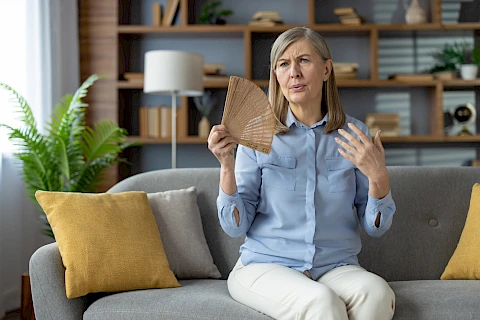
Summers in the San Fernando Valley run hot, and temperatures in Studio City, Burbank, and Glendale can climb quickly from June through September. Older adults face a higher risk in extreme heat. The body's ability to regulate temperature becomes less efficient with age, and some common medications further reduce sweating or heat sensation. Knowing the difference between heat exhaustion and heat stroke, and knowing what to do, can be life-saving.
Heat Exhaustion: The Warning Your Body Sends First
Heat exhaustion develops when the body loses too much fluid and salt through sweating. This condition is serious, but quick action can prevent a more dangerous outcome.
Watch for these signs:
- Heavy sweating
- Pale, cool, or clammy skin
- Weakness or muscle cramps
- Nausea or vomiting
- Dizziness or feeling faint
- Headache
- Fast but weak pulse
If you notice these symptoms, move to a cool indoor space immediately. Lie down with your legs slightly elevated. Drink cool water slowly, taking small sips rather than gulping. Apply a cool, wet cloth to your forehead, neck, and wrists. If symptoms don't improve within about 30 minutes, call a doctor or seek medical care.
Heat Stroke: A Medical Emergency
Heat stroke occurs when the body's temperature regulation system fails entirely. Core body temperature rises to dangerous levels, typically above 104 degrees Fahrenheit, and this becomes a medical emergency. Call 911 immediately if you observe the following:
- Hot, red, dry, or barely damp skin
- Rapid, strong pulse
- Confusion, slurred speech, or loss of consciousness
- Throbbing headache
- Nausea
Do not wait to see if the person improves on their own. While waiting for emergency services, move the person to a cool area and use whatever is available to cool them down: ice packs under the arms, on the neck, and in the groin; a cool, wet sheet; or cold water on the skin. CDC guidance notes that heat stroke requires immediate emergency care because it can lead to serious harm or death.
The key distinction between the two conditions is that heat exhaustion involves heavy sweating and cool skin; heat stroke often involves hot, dry or minimally moist skin and sudden confusion. When in doubt, treat it as heat stroke.
Staying Safer During a Hot Valley Summer
Prevention matters as much as recognition. Drink water steadily throughout the day, not just when you feel thirsty. Stay indoors during peak heat hours, typically between 11 a.m. and 4 p.m. on hot days. Homes without reliable air conditioning need a backup plan, such as spending the afternoon at a library, community center, or shopping mall in North Hollywood or Los Angeles. Wear loose, light-colored clothing if you do need to be outside.
Certain medications, including diuretics, antihistamines, and some heart medications, may reduce heat tolerance. Talk with your pharmacist about whether any of your current prescriptions require extra heat precautions.
Getting Support Before Heat Becomes a Danger
You deserve to feel safe at home through every season. Senior Helpers North Valley provides in-home care across Studio City, Glendale, Burbank, North Hollywood, Valley Village, and Los Angeles, including regular check-ins on hot days, hydration reminders, and help with everyday tasks so you can stay cool and comfortable. Contact us to learn more about how our caregivers can help you stay safe this summer.