Welcoming the elderly into your home is a significant transition for everyone involved. The house you've lived in comfortably for years may have features that work perfectly well for you but present real challenges for an older adult. Taking the time to assess the space through that lens, before or shortly after your loved one arrives, reduces the risk of accidents and makes daily life smoother for everyone.
Starting With the High-Risk Areas
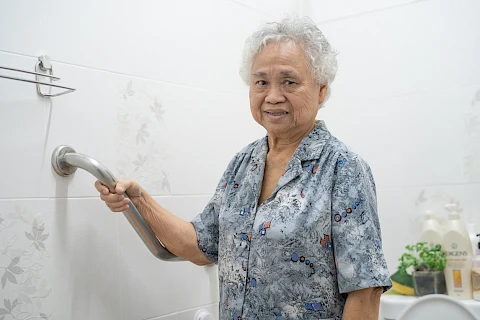
Bathrooms and stairways are the most common places for seniors to fall, making them the ideal starting point. In the bathroom, grab bars near the toilet and inside the shower or tub provide stability during transfers and reduce the chance of a slip. A handheld showerhead adds flexibility, and a shower chair or bench allows bathing while seated, which is far safer than standing on a wet surface.
Non-slip mats inside the tub and on the bathroom floor, secured at the edges, are helpful, but loose area rugs anywhere in the home should be removed entirely. They are a leading cause of trip hazards for older adults. The floor throughout the home should be clear and uncluttered.
If your home has stairs, a sturdy handrail on both sides is worth installing if one is missing. Good lighting at the top and bottom of the staircase, with switches accessible from both ends, reduces nighttime risk.
Lighting, Clutter, and Reachability
Good lighting throughout the home matters more than most new caregivers anticipate. Replace any dim bulbs with brighter options. Put nightlights in hallways, the bathroom, and between the bedroom and any area your loved one is likely to visit at night. Motion-activated nightlights are particularly useful.
Clutter on floors and in high-traffic pathways is easy to overlook because you've stopped seeing it. Walk through the house, imagining someone using a cane or walker, and notice what's in the way. Electrical cords, low coffee tables, and items stored on the floor are worth addressing.
Commonly used items should be on shelves or in cabinets at a reachable height, between hip and shoulder level. Overhead reaching and floor-level bending are positions that increase the risk of falls and strain.
Adjusting for Specific Needs Over Time
A senior who moves in without major health concerns today may develop new needs over months and years. The right approach is to start with the broad safety basics, then stay attentive and add modifications as needs change.
The CDC's STEADI initiative (Stopping Elderly Accidents, Deaths, and Injuries) offers free home safety checklists that families can work through systematically. For loved ones living with Parkinson's disease, vision impairment, or cognitive change, condition-specific resources are available through organizations like the Parkinson's Foundation and the Alzheimer's Association, and a home health assessment by an occupational therapist can identify modifications you might not think to consider on your own.
Building a Home That Supports Independence
Home safety changes are ultimately about allowing your loved one to move through the space with confidence. For new caregiving families across Santa Clarita, Valencia, Newhall, Palmdale, and Lancaster, turn to Senior Helpers of Santa Clarita-Lancaster as you navigate this transition. Our in-home care team can help with daily routines and keep an eye on safety needs as they evolve. Contact us to learn how we can support your family.