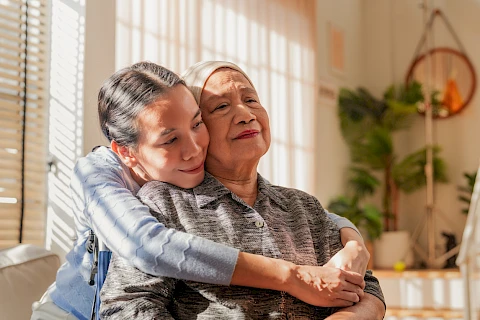
Anxiety is sometimes described as a young person's struggle, but it's actually quite common in older adults. It often goes unrecognized because it looks different from the anxiety most people picture. Anxiety may not show up as a racing heart or obvious panic for seniors. It can present as persistent worry, physical symptoms without a clear medical cause, or a gradual withdrawal from activities the person used to enjoy.
How Anxiety Can Manifest Differently in Seniors
In younger adults, anxiety often has a recognizable emotional quality, like a sense of dread, nervousness, or apprehension. Older adults sometimes experience anxiety more physically. Unexplained stomach upset, muscle tension, headaches, fatigue, or dizziness can all be anxiety symptoms that get attributed to other health conditions or dismissed as normal aging.
Seniors may also express anxiety as irritability or as an intense focus on health concerns. A parent who calls several times a day to check in about their medications or who becomes distressed by any change to their usual routine may be experiencing generalized anxiety rather than simple forgetfulness or stubbornness. Memory worries, fear of falling, and concern about becoming a burden to family members are among the most common anxiety triggers for older adults.
The National Institute of Mental Health notes that anxiety disorders are among the most common mental health conditions in the United States. Older adults are not exempt, even if they were never diagnosed with anxiety earlier in life.
Coping Strategies That Genuinely Help
The good news is that anxiety responds well to consistent, practical strategies, many of which are well within a caregiver's reach to support.
Breathing Exercises
Slow, diaphragmatic breathing activates the parasympathetic nervous system and dials down the body's alarm state. A simple technique: breathe in for four counts, hold for two, and breathe out for six.
Routine and Predictability
Anxiety feeds on uncertainty. A consistent daily schedule, meals at regular times, and familiar activities in a familiar order give the nervous system a sense of safety. Disruptions such as a change in caregiver or an upcoming medical appointment deserve extra preparation and reassurance.
Gentle Physical Activity
A short walk in the morning or time in a garden can reduce anxiety through improved circulation, natural light, and a sense of accomplishment. Seniors in Newhall and Canyon Country who walk familiar neighborhood routes often find the predictable rhythm itself calming.
Social Connection
Isolation amplifies anxiety. Regular contact with family, friends, or a trusted caregiver provides grounding that's hard to replicate any other way.
When to Speak With a Healthcare Provider
If anxiety is affecting your loved one's sleep, appetite, or daily functioning, or if they are expressing persistent worry about their health, safety, or future, that conversation belongs in a doctor's office. Anxiety in seniors is highly treatable through therapy, medication, or a combination of both. There's no reason to accept it as an inevitable part of getting older.
Be specific when talking to their physician. Describe the behaviors you've observed, how often they occur, and how they affect daily life. That kind of concrete information is more useful than a general description of worry.
Support That Makes a Real Difference at Home
Anxiety often eases when seniors feel genuinely cared for, heard, and safe in their own environment. Senior Helpers of Santa Clarita - Lancaster works with families across Santa Clarita, Valencia, Newhall, Canyon Country, Palmdale, and Lancaster to provide compassionate in-home care that supports emotional and physical well-being. Contact us to learn how we can help.