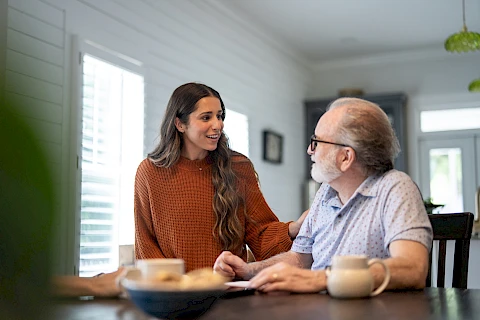
June is Men’s Health Month, a reminder that emotional health deserves the same attention as physical health. Many older men experience depression, anxiety, grief, or chronic stress, though concerns often show up in subtle ways such as withdrawal, irritability, sleep changes, or physical complaints. Long-held beliefs about handling problems alone can also make it harder to speak up. Caregivers are often the first to notice shifts in mood or routine, opening the door to earlier recognition and meaningful conversations that preserve independence and dignity.
Recognizing Depression and Anxiety in Senior Men
Depression and anxiety in older men often look different from those in women or younger adults. Rather than expressing sadness, many men become withdrawn, irritable, or less engaged in daily life. Watch for changes such as losing interest in favorite activities, increased anger or impatience, unexplained physical complaints like persistent fatigue, headaches, or digestive problems, and increased alcohol use. According to the National Institute of Mental Health, men are less likely to seek help for depression and may experience it through anger or physical symptoms instead of sadness.
Overcoming the Stigma That Keeps Men Silent
Many senior men see emotional struggles as something they should handle on their own. Rather than challenging that belief directly, present mental wellness as part of overall health. Saying, "Talking to someone helped me think more clearly" may feel more approachable than "You seem depressed." Encouraging a conversation with a primary care physician can also be an effective first step, as discussing emotional concerns in a medical setting often feels more familiar and comfortable.
Having Supportive Conversations
Choose a side-by-side setting, such as a walk or shared activity, rather than sitting face-to-face. This often makes emotional conversations feel less intense. Ask open-ended questions like, "How are you really doing lately?" Then listen without interrupting or immediately trying to solve the problem. Acknowledge what he shares before offering suggestions. If he is reluctant to consider professional care, avoid pushing too hard in a single conversation. Raising the topic again later may feel less overwhelming and allow him time to consider the idea.
Ways to Support Well-being Daily
Mental wellness is strengthened by familiar routines, meaningful relationships, and activities that reflect lifelong interests. Woodworking, gardening, volunteering, or meeting friends for coffee can provide a sense of purpose and encourage regular social connection. Consistent sleep, nutritious meals, time outdoors, and enjoyable hobbies may also improve mood.
When appropriate, physical activity has been linked to better emotional health. Before beginning any new exercise program or increasing activity levels, older adults should discuss it with their physician.
Caregivers can help by offering a ride to a community event or inviting a loved one to share a favorite hobby while respecting his independence and preferences.
In-Home Services for Emotional and Daily Well-being
Mental well-being is an ongoing part of healthy aging and deserves attention alongside physical health. When family care alone is no longer enough, additional help at home may make daily life easier. Senior Helpers of San Francisco provides in-home care that can reduce isolation, encourage meaningful engagement that may ease emotional strain for seniors, and promote consistent routines for older adults. Contact us to explore care options and learn how our services can meet your loved one's needs.