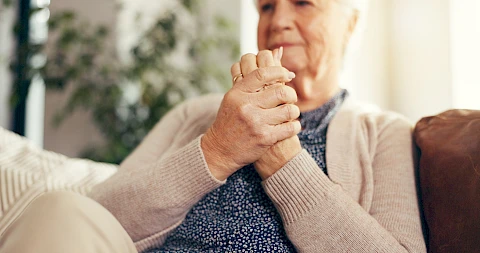
Parkinson's disease is a progressive nervous system disorder that affects movement. Each year, many people are diagnosed with Parkinson's, but it can manifest differently among individuals, particularly between men and women. For senior women, recognizing the signs of Parkinson's can be challenging as symptoms may appear subtly and are often misdiagnosed. Understanding these symptoms and advocating for an accurate diagnosis is necessary to manage the disease effectively.
Recognizing Motor Symptoms
Motor symptoms are the most recognizable signs of Parkinson's disease. They include tremors, rigidity, and balance issues. However, these symptoms may present differently in senior women, and recognizing them early can make a significant difference.
Tremors
Tremors are one of the hallmark symptoms of Parkinson's. For women, these involuntary shaking movements may begin in the hands or fingers. Sometimes they can be mistaken for other conditions, such as essential tremor, which is more common in older women. Paying close attention to the persistence and pattern of these tremors can help in early detection. If you notice any slight tremors at rest, consult a healthcare provider.
Rigidity
Muscle stiffness or rigidity means that your muscles feel tight and achy. This stiffness can affect various parts of the body and may impact everyday activities like getting dressed or moving around the house. Senior women may initially dismiss these signs as normal aging, but if muscle tightness becomes persistent, it may be time to seek medical advice.
Balance Issues
Balance and coordination problems are common in Parkinson's and increase the risk of falls. For senior women, maintaining good balance is critical for safety. If you experience unexplained falls or unsteadiness, discuss these issues with a healthcare professional. Engaging in regular balance exercises can also be a proactive step in fall prevention, as long as your doctor clears it.
Awareness of Non-Motor Symptoms
Parkinson's can lead to a variety of non-motor issues. These symptoms, like depression and anxiety, may have a profound impact on overall well-being.
Depression and Anxiety
Depression and anxiety are common among those with Parkinson's and can often go unnoticed. In women, these issues might manifest as increased irritability, fatigue, or changes in appetite. Recognizing these symptoms as part of the disease is important, as mental health is significant in the overall quality of life. Seeking mental health support can aid in coping with these challenges.
Other Non-Motor Symptoms
Other non-motor symptoms of Parkinson's include sleep disturbances and fatigue. Senior women might experience trouble sleeping or feel excessively tired, which can further complicate daily life. These symptoms might be attributed to aging rather than Parkinson's, delaying proper diagnosis. Recognizing these signs is best for effective management and an improved quality of life.
Advocacy and Seeking Help
If you suspect Parkinson's, seek a specialist's evaluation. Communicating your symptoms clearly to healthcare providers can lead to a more accurate diagnosis. Prepare a list of your symptoms, note any changes, and don't hesitate to ask questions during appointments. Never underestimate the importance of getting a second opinion if needed.
Seek Support From Senior Helpers LA Beach Cities
Recognizing the key symptoms of Parkinson's—both motor and non-motor—is the first step towards managing the disease effectively. As a senior woman, being proactive about your health means recognizing these signs, seeking proper evaluation, and advocating for your well-being. Take charge of your health and consider reaching out to resources available in your community. If you're in Torrance, Hawthorne, El Segundo, Hermosa Beach, or Redondo Beach, Senior Helpers LA Beach Cities can offer support and resources. Contact us today to learn more about our services for seniors living with Parkinson’s and effectively manage Parkinson's symptoms.