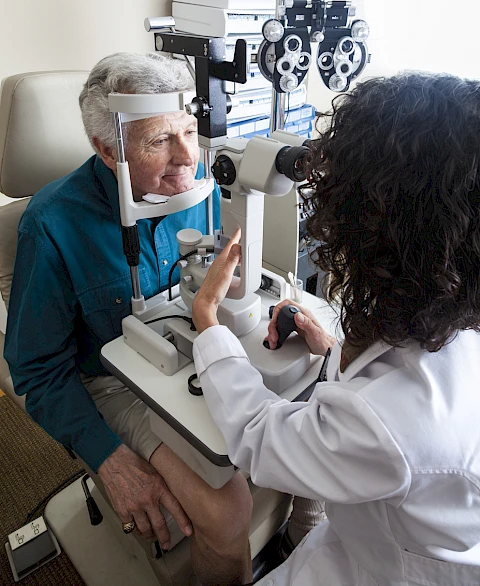
As we age, taking care of our eyes becomes more critical than ever. Maintaining eye health can significantly improve quality of life. Knowing what changes may come with aging can help seniors and their caregivers manage eye health effectively. Learn how to identify and respond to common changes in vision to help ensure that life remains as enjoyable and independent as possible.
Common Vision Changes in Seniors
As they age, seniors may start to notice changes in their vision. These changes can be gradual or sometimes more abrupt.
Gradual Vision Changes
Many seniors find themselves holding a menu or book at arm's length, struggling to read small print. As the lenses in our eyes age, they can become less flexible, making it more challenging to focus on small print. Driving at night or moving in dim lighting may also become difficult as the eye's pupils shrink and become less responsive to changes in light.
Seniors might squint more in bright sunlight or be bothered by reflected light indoors. This increased sensitivity to glare and light can result from the aging eye filtering light less effectively.
Sudden Vision Changes
Abrupt changes in clarity, such as blurred or double vision, can indicate a more serious condition. Sudden vision loss can be alarming and may signal a medical emergency. While seeing flashes of light or floaters is commonly harmless, when new floaters appear suddenly or are accompanied by flashes, it's best to consult a professional.
Importance of Prompt Reporting
Early detection of vision changes is crucial. Informing healthcare providers about these changes can help unveil any underlying health issues. Conditions like diabetes or hypertension can manifest through vision changes, making prompt attention even more imperative. Addressing these issues promptly can prevent further complications and improve eye health.
Impact on Daily Activities and Safety
Vision changes can affect how easily seniors navigate their homes and communities. Good vision is vital for maintaining independence. Navigating stairs, curbs, and uneven surfaces may become difficult, increasing the risk of falls. Vision changes might make driving less safe, limit mobility, and affect independence.
As vision decreases, reading, hobbies, and social activities may become more challenging, potentially leading to feelings of isolation and other social and emotional effects of vision impairment.
Practical Tips for Adapting to Vision Changes
Adapting to vision changes is about making a few simple adjustments and seeking support.
- Home Modifications for Better Visibility: Install brighter lights in frequently used areas, use contrasting colors to improve depth perception, and eliminate trip hazards such as loose rugs.
- Tools and Technologies to Assist With Vision: Consider using magnifiers for reading and setting larger fonts on electronic devices. Hearing books, through audiobooks or podcasts, is also a great alternative.
- Encourage Regular Eye Exams and Professional Consultations: Ensure regular visits to an eye care professional. They can offer tailored advice for specific conditions and help track changes in vision over time.
With these tips in mind, you may find it easier to see as well as possible and maintain your eye health.
Get Assistance at Home From Senior Helpers LA Beach Cities
Recognizing and addressing vision changes is necessary to maintain independence and quality of life in the senior years. By understanding what to look out for and contacting healthcare providers promptly, seniors can effectively manage and adapt to these changes. Remember to seek professional care when needed. Your eye health matters, and with the right help, you can maintain a vibrant, independent lifestyle. For personalized in-home assistance and everyday senior care in Hawthorne, El Segundo, Hermosa Beach, and Torrance, contact us at Senior Helpers LA Beach Cities today.