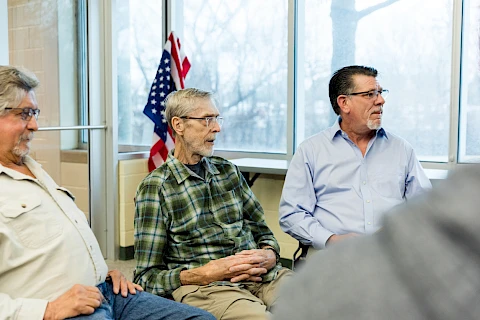
For many veterans, decades pass before the weight of their service becomes something they can name. PTSD in elderly vets doesn't always surface during active duty or in the years immediately after. For ex-servicemen, symptoms sometimes intensify with age. Life changes such as retirement, health issues, the loss of a spouse, or having more quiet time can trigger significant personal reflections and transitions. Senior Helpers can help people over 60 who make a step toward getting real support.
How Aging Can Change Symptoms of PTSD in Elderly Vets
Post-traumatic stress disorder (PTSD) in younger servicemen often presents as nightmares or hypervigilance. On the other hand, symptoms in older veterans can look remarkably different as lifelong coping mechanisms lose their effectiveness. The U.S. Department of Veterans Affairs notes that major life changes such as retirement, declining health, or the loss of peers can suddenly intensify long-quiet distress. If an older veteran seems increasingly withdrawn or irritable, pay attention to these key signs:
- Persistent sleep disturbances, such as nightmares or refusing to sleep in the dark
- Emotional numbness or a growing reluctance to discuss the past
- Heightened startle responses to unexpected sounds, movement, or touch
- Avoidance of previously enjoyed people, activities, or crowded places
- Increased reliance on alcohol or other substances
- Disproportionate anger or irritability
- Unexplained physical complaints, including chronic pain, headaches, or stomach issues
Because these symptoms can easily overlap with depression, dementia, or other health conditions, scheduling a conversation with a VA provider or a geriatric mental health specialist is the best next step, rather than assuming it is simply a normal part of aging.
The Courage It Takes to Reach Out
Many veterans over the age of 60 grew up in a military culture where seeking mental health support carried significant stigma. Thus, making it feel like an admission of weakness. However, this mindset deserves gentle challenge, as those who finally seek help often say they wish they had done so sooner. Here are some safe spaces:
- Cost-Free VA Services: Enrolled veterans have access to individual and group therapy, as well as evidence-based treatments such as cognitive processing therapy and prolonged exposure therapy.
- 24/7 Veterans Crisis Line: Veterans in Colton, San Bernardino, Rialto, and beyond can dial 988 (press 1) around the clock for immediate support.
- Local Healthcare Access: The VA Loma Linda Healthcare System offers comprehensive mental health services for residents of Redlands and Grand Terrace.
- Family Support: Loved ones can proactively reach out on a veteran's behalf to explore available options before addressing the topic directly with them.
Supporting a Veteran at Home
Living with this condition impacts the entire household, and caretakers bear their own emotional burdens, especially when dealing with PTSD in elderly vets. Senior Helpers of Redlands supports veteran families across Redlands, Loma Linda, Highland, Yucaipa, Colton, Grand Terrace, Bloomington, Bryn Mawr, Rialto, San Bernardino, and Mentone. Our professional care providers work alongside families to provide consistent, compassionate in-home care that considers the whole person. Contact us to learn how we can help today!