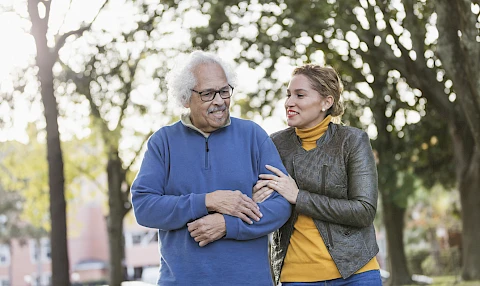
Seasonal Affective Disorder (SAD) is a type of depression that occurs during specific times of the year, most often in winter. It is particularly common among elderly retirees, who may face changes in their physical and mental wellness. Recognizing SAD symptoms and effective management strategies is essential. It helps in improving the quality of life for seniors with seasonal depression and their families.
Recognizing Symptoms of SAD
Being aware of the common signs and indications in seniors with seasonal depression is the first step to managing it effectively. Common symptoms include:
- Persistent sadness or low mood
- Loss of interest in activities they once enjoyed
- Increased fatigue and sleep disturbances
- Changes in appetite or weight
Those in their golden years may also exhibit physical manifestations, such as unexplained aches and pains. Early detection is crucial for better outcomes, so it's essential to be aware of these signs.
Causes and Risk Factors
Several factors contribute to the phenomenon known as the winter blues. The primary cause is reduced sunlight exposure in winter, which affects the body's internal clock and can lead to extreme despair. Those over the age of 55 may be more vulnerable. It can be due to a history of mental health disorders, limited mobility that restricts outdoor activities, and social isolation from family and community. Understanding individual risk factors is crucial for creating an effective management plan.
Treatment Options
Managing SAD involves a comprehensive approach, starting with medical treatment if needed. Antidepressant medications can help regulate mood, while therapy offers a space to process feelings and gain coping strategies. Consulting healthcare professionals is essential to ensure an effective treatment plan, ultimately improving quality of life.
Lifestyle Changes to Alleviate Manifestation
In addition to medical treatments, lifestyle changes can relieve symptoms in seniors with seasonal depression:
- Light therapy uses light boxes to simulate natural sunlight and can help regulate mood and reset the internal clock.
- Regular physical activity and exercise, such as walking or yoga, boost endorphins and improve mood. Consult your doctor before starting new routines.
- A balanced diet rich in omega-3 fatty acids and vitamins supports mental well-being through nutrition.
- Staying socially engaged through community events or family time can help reduce feelings of isolation.
These lifestyle adjustments, when combined with professional treatment, create a holistic approach to addressing SAD.
Making a Difference by Supporting Seniors With Seasonal Depression
The winter blues can significantly impact the well-being of elderly loved ones. Recognizing symptoms early, exploring treatment options, and making lifestyle changes are crucial for mental health. If you or a loved one in Livermore, Dublin, Pleasanton, Hayward, or Alameda County needs support, contact Senior Helpers Pleasanton for assistance with Personal Care and Chronic Disease Care.