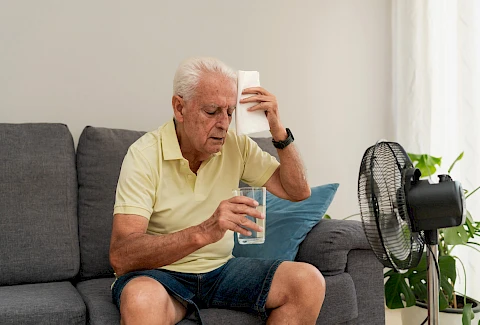
For seniors, staying cool indoors matters. Even when outside temperatures don't soar, it's still possible for them to overheat indoors, particularly since they may not be able to regulate temperature as well as younger individuals. Understanding potential signs of overheating and addressing them swiftly is necessary to ensure their safety.
The Risks of Heat Exposure
As we age, our bodies don't regulate temperature as effectively. Brownouts, wearing too many layers, dehydration, or insufficient ventilation can all be culprits. When electricity usage spikes, especially in summer, brownouts can leave older adults without air conditioning or fans for hours. Wearing heavy layers, even indoors, can trap warmth close to the body.
Dehydration further impairs the body's ability to cool itself. Poor ventilation limits the flow of cool air throughout a home. Any of these factors can lead to excessive warmth, which is dangerous for senior health. It's crucial to recognize and manage these risks.
Effective Cooling Strategies
Maintaining a cool indoor environment is the first step in preventing overheating in seniors. Using fans and air conditioning effectively makes a big difference. Make sure fans are on whenever the room feels too warm. Using a ceiling fan in conjunction with an air conditioner can ease the burden on the AC unit.
Regular maintenance of cooling systems is just as important. Ensure air filters are clean, thermostats work properly, and units receive professional servicing. This maintenance helps cooling systems run efficiently.
Hydration is Key
Staying hydrated is essential for temperature regulation. The elderly should consume plenty of fluids throughout the day, even if they don't feel thirsty. Encourage drinking water, herbal teas, or diluted fruit juices regularly. Set reminders if necessary.
Be aware of the signs of dehydration, too. These include dry mouth, fatigue, dizziness, or darker urine. Recognizing these signs early can prevent health issues associated with excessive heating.
Dress for the Heat
Wearing loose, breathable clothing helps keep the body cool. Lightweight cotton fabrics are ideal for loved ones indoors. Consider dressing in layers that can be easily removed as the temperature rises throughout the day. Light sweaters or shawls allow for easy adjustment without making you overheat.
Enhance Ventilation
Proper ventilation helps cool airflow throughout the home. Open windows during cooler parts of the day to let fresh air in. Use window fans to improve airflow and reduce stagnant hot air pockets.
Window treatments can also help manage indoor temperatures. Keep blinds or curtains drawn during peak sun hours to prevent warmth from coming in. This simple step can drastically improve indoor comfort.
Monitor and Adjust
Place a few thermometers around the home to ensure all rooms stay within a comfortable range. Use technology like smart thermostats to adjust the indoor climate remotely if needed. Encourage the elderly to communicate if they feel too warm. Regularly ask about their comfort. Small adjustments can prevent discomfort from escalating into a health risk.
Provide More Support for Seniors During the Hot Summer Months
Preventing overheating in seniors indoors requires attention and action. Using cooling strategies, maintaining proper hydration, dressing appropriately, enhancing ventilation, and monitoring temperatures are all key steps to ensuring older adults remain safe and comfortable indoors.
For personalized assistance, don't hesitate to get in touch with Senior Helpers Lincoln, Yuba City. We're here to support you and your loved ones in Lincoln, Newcastle, Rio Oso, Olivehurst, and Yuba City.