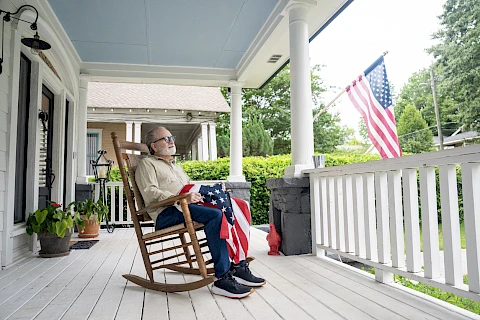
Military service shapes a person in ways that don't fade when the uniform comes off. For senior veterans now living with age-related health challenges, that history is still very much present in the way they communicate, how they respond to pain, what they find comforting, and what they find intolerable. Caregivers who understand the context provide better care, and this month, as the country pauses to honor its veterans, is a fitting time to consider what informed, respectful care really looks like.
What Is Military Culture
Veterans often share certain values regardless of branch or era: self-reliance, a preference for directness, skepticism toward showing vulnerability, and a strong sense of personal identity tied to their service.
A senior veteran who resists asking for help isn't being difficult. Meeting that with patience and specific, practical offers, "Can I drive you to your appointment on Thursday?" rather than "Let me know if you need anything," tends to get further.
Asking about a veteran's service, when they're open to it, can also build real trust. Many senior veterans hold rich histories that they rarely get asked about. A caregiver who shows genuine interest in where they served and what that time meant to them is doing more than making conversation.
Recognizing Service-Related Health Concerns
Some health issues are more prevalent among veterans due to exposures and experiences specific to military service. Hearing loss from noise exposure is common. Conditions related to Agent Orange, burn pits, or other environmental exposures affect a significant number of veterans. Post-traumatic stress, traumatic brain injury, and musculoskeletal injuries from physical demands of service may all shape how a veteran experiences aging.
The U.S. Department of Veterans Affairs offers resources and guidance on navigating VA health care, respite care options, and caregiver support programs.
Connecting With Veteran-Specific Support
The VA's Caregiver Support Program provides coaching, training, and financial assistance for caregivers of eligible veterans. The Veterans Benefits Administration can help determine eligibility for benefits that may cover some home care costs. Local VSOs (Veterans Service Organizations) such as the American Legion and VFW often have knowledgeable volunteers who can walk families through available programs at no charge.
Connecting with these organizations early, before a health crisis forces the conversation, means being prepared rather than reactive.
Honoring Service in Day-To-Day Care
Small gestures count. Acknowledging a veteran's branch on their birthday, displaying a photo or flag in a meaningful place, and ensuring their service is recognized in conversations with healthcare providers aren't merely ceremonial gestures. They communicate that who this person is matters to the people around them.
Care That Respects a Lifetime of Service
Senior Helpers Granada Hills is proud to serve veteran families across Granada Hills, Porter Ranch, Northridge, San Fernando, and Lake View Terrace. Contact us to learn how your senior veteran could benefit from in-home care that is respectful, consistent, and tailored to their needs.