As we age, protecting bone health becomes essential to staying active and independent. Osteoporosis can quietly weaken bones over time, increasing the risk of fractures and limiting mobility. For seniors and those who support them, understanding how to prevent bone loss is necessary to maintain strength and confidence. Here are practical ways to support bone health and reduce the risk of osteoporosis.
What Is Osteoporosis?
Osteoporosis is a condition characterized by porous, fragile bones that are more prone to fractures. It often progresses silently, without symptoms, until a fracture occurs. Risk factors include:
- Age
- Gender (women are more prone)
- Family history
- Lifestyle choices such as smoking and a lack of exercise
Regular bone density screenings are crucial for early detection, as they can help identify osteoporosis before a fracture happens.
Nutritional Foundations for Bone Health
A well-balanced diet is vital in maintaining bone health. Calcium is a key nutrient for building and maintaining strong bones. Adults over 50 should aim for 1,200 mg of calcium daily. Vitamin D helps the body absorb calcium effectively. Since natural food sources may not always provide sufficient nutrients, consider dietary supplements as a viable option.
Calcium is found in dairy products, leafy greens, and fortified foods, while vitamin D is found in fatty fish such as salmon, egg yolks, and fortified milk. Sun exposure also supports vitamin D production, but it's important to balance sun safety with adequate vitamin D levels.
Exercise and Bone Strength
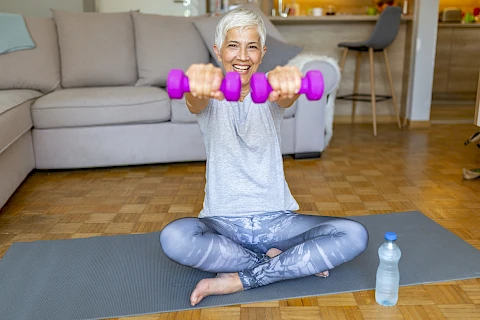
Regular exercise helps maintain bone strength and overall health. Weight-bearing exercises, which force you to work against gravity, are particularly effective for strengthening bones. Activities such as walking, dancing, and light weightlifting can help keep bones healthy.
Incorporating these exercises into daily routines can seem overwhelming, but simple changes can make a big difference. Consider short daily walks or gentle yoga sessions, which can be both enjoyable and effective in maintaining bone health.
Fall Prevention Strategies
Preventing falls is crucial to protecting bone health, especially for seniors at risk of osteoporosis. Falls often result in bone fractures, leading to serious health complications. Improving home safety is a good first step. Ensure walkways are clear, install grab bars in the bathroom, and use non-slip mats. It's also helpful to engage in activities that enhance balance and strength, such as tai chi or balance exercises. These can significantly improve coordination and reduce the risk of falls.
How Is Your Bone Health?
Maintaining strong bones is essential for seniors who want to remain active and independent. Understanding the risks of osteoporosis, ensuring adequate nutrition, engaging in regular exercise, and implementing fall-prevention strategies are key steps to promoting bone health. By taking proactive measures, seniors can reduce the risks of osteoporosis and maintain the quality of life they deserve. Always consult a doctor before starting any new physical exercise routine or activity.
For personalized in-home senior care support and services in Granada Hills, Porter Ranch, Northridge, Sylmar, and Lake View Terrace, contact us at Senior Helpers Granada Hills. We're here to help you and your loved ones prioritize health and stay active in your golden years.