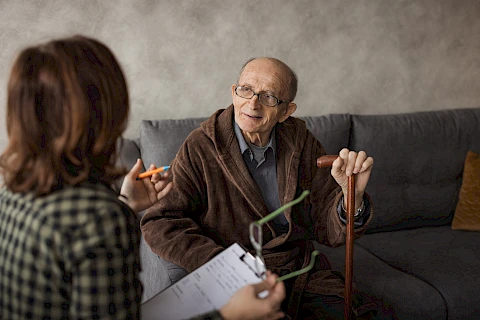
Years after military service, memories tied to high-stress experiences can surface in ways that feel disconnected from earlier life. Many veterans from earlier service eras were never introduced to the term “post-traumatic stress”. Those experiences were often set aside to focus on daily responsibilities. Post-Traumatic Stress Disorder (PTSD) refers to a condition that can develop after trauma, and its effects may shift over time. In seniors, changes in sleep, health, or memory can bring long-standing reactions into clearer view.
What PTSD Actually Is
PTSD is a neurological response to experiencing or witnessing something deeply threatening. The brain’s alarm system, designed to protect, can remain in a state of high alert long after the threat has passed. PTSD is not related to toughness or character. It can occur in anyone exposed to distressing events.
The U.S. Department of Veterans Affairs describes four main clusters of PTSD symptoms: re-experiencing (flashbacks, intrusive memories, nightmares), avoidance (staying away from people, places, or conversations that trigger memories), negative changes in thinking and mood (feeling numb, disconnected, or hopeless), and hyperarousal (being easily startled, sleeping poorly, staying hypervigilant).
How PTSD Can Show Up Differently in Older Veterans
For many senior veterans, symptoms that were manageable during working years may become harder to manage after retirement. Life changes such as the loss of a spouse, declining health, or even a news report can bring memories forward in ways that feel difficult to set aside.
Veterans who have not previously sought mental health care may describe these experiences as “just stress” or assume sleep problems and irritability are part of aging. Some symptoms overlap with conditions common in older adults, including depression or mild cognitive changes, making it helpful to consider service history when speaking with a doctor.
Signs to notice include recurring nightmares or intrusive memories, discomfort in crowds or public places, emotional numbness or withdrawal from family, a constant sense of danger, and emotional reactions that feel out of proportion to the situation.
Taking the Step Toward a Conversation
Sleep changes, mood shifts, memory concerns, or stress reactions can be discussed with a physician even without a formal diagnosis. Sharing daily experiences gives providers a starting point for understanding possible causes and next steps.
Describing symptoms in clear terms can help structure the conversation. Noting when changes began, how often they occur, and what situations seem to trigger them can help identify patterns.
Veterans living in Van Nuys, Reseda, and Lake Balboa have access to the VA Greater Los Angeles Healthcare System, which provides mental health services, including treatment for trauma-related conditions. Bringing service history, medications, and symptom notes can help make the most out of your visit with the doctor.
Making Daily Life More Manageable for Senior Veterans
Living with lingering stress reactions tied to military service can affect sleep, mood, and memory over time. Paying attention to these changes and sharing them with a medical provider can help clarify what is happening and what options may be available.
For veterans across Encino, Tarzana, Sherman Oaks, Van Nuys, and Reseda, day-to-day routines can feel easier with steady in-home assistance. Senior Helpers of South Valley offers Companion Care, Personal Care, and VA Benefit Assistance to bring consistency to daily routines, highlight changes in behavior, make shifts in sleep, mood, or engagement easier to recognize early, and help veterans access available benefits that may offset the cost of care and related services. Contact us to learn how in-home care can fit into a senior veteran’s changing needs.