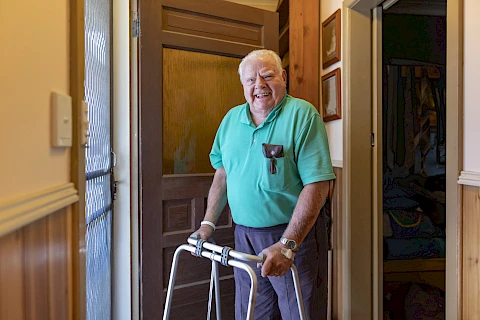
When seniors leave the hospital, returning home can be an exciting and freeing experience. It's also a time when additional support might be necessary for recovery. Post-discharge assistance is not a sign of weakness; instead, it's a smart strategy to aid recovery and ensure a smoother transition back to daily life. Understanding these signs could make all the difference in your recovery journey.
Managing Medication
One of the most common challenges seniors face after being discharged from the hospital is managing medications. With new prescriptions and changes to existing ones, it's easy to become confused.
If you find yourself missing doses, taking duplicate doses, or feeling uncertain about which medications to take at the correct times, it may be time to seek help. Proper medication management is fundamental to recovery, as taking the correct medications in the right amounts ensures your body heals efficiently and reduces the risk of readmission.
Mobility Challenges
Mobility often takes a hit after a hospital stay. Whether due to surgery, illness, or a general decline in physical strength, moving around the home can become a challenge. Signs that indicate you might need additional support include difficulty walking, struggling to use stairs, and fear of falling.
Having assistance can greatly reduce the risk of falls and help maintain your independence. Support can make everyday activities easier and help you regain confidence in your mobility, knowing someone is there to help if needed.
Nutrition Concerns
Nutrition strongly influences recovery after a hospital stay, particularly for seniors whose energy needs and appetites may change during illness. Noticeable weight loss, skipped meals, limited appetite, dehydration, difficulty chewing or swallowing, or reliance on packaged foods can signal that extra support would be beneficial. Challenges may also include fatigue that makes grocery shopping or cooking feel unmanageable, confusion about dietary restrictions, or uncertainty about how meals should align with prescribed medications.
Consistent access to balanced meals supports strength, wound healing, and immune function during recovery. Professional assistance can help coordinate meal planning that reflects medical guidance, personal preferences, and cultural habits, while also addressing practical needs such as grocery shopping, meal preparation, and safe food storage. Support may also include monitoring fluid intake, accommodating texture-modified diets, and watching for changes that should be shared with a healthcare provider.
Feelings of Being Overwhelmed
The emotional and mental health challenges following a hospital stay are often overlooked. Many seniors feel overwhelmed, anxious, or even depressed after discharge, which can hinder recovery. Signs that you're feeling overwhelmed include a constant state of anxiety, mood swings, or reluctance to resume regular activities.
During recovery, companionship and emotional support are just as important as physical healing. Having someone to talk to or assist with daily tasks can lift some burdens and ease your mind.
ReturnHome Services: A Smart Recovery Strategy
Recognizing the need for post-discharge support ensures a successful recovery and maintains independence. By identifying signs early, seniors and their families can take proactive steps to access the needed assistance, providing a safer and more comfortable transition back home.
At Senior Helpers South Valley, we understand the challenges. That's why we offer our specialized ReturnHome services, which include professional support in medication management, mobility assistance, nutrition, and companionship. We tailor our services to meet the individual needs of you or your loved one, ensuring a comfortable and safe recovery at home. If you or a loved one lives in Encino, Tarzana, Sherman Oaks, Van Nuys, or Reseda, contact us today for more information on how our ReturnHome services can help you.