Seniors often find joy and fulfillment from engaging in new hobbies. These activities help them maintain mental and physical well-being while providing a renewed sense of purpose and accomplishment. Participating in hobbies can lead to improved mood, boosted cognitive function, and enhanced physical health. Senior Helpers discusses new hobby ideas for seniors and how caregivers can encourage these rewarding pursuits.
Identifying Interests and Needs
It is essential to consider their interests and needs when introducing a new hobby to seniors. Start by having a conversation about what activities they used to enjoy or what they have always wanted to try. This can help in identifying hobbies that will likely resonate with them. It is also important to recognize any physical or cognitive limitations they might have. Understanding these limitations allows you to adapt activities to ensure they are safe and enjoyable for them. The goal is to find a hobby that excites them while being mindful of their abilities.
Age-Appropriate Hobbies for Seniors
There are plenty of hobbies suitable for seniors that cater to various interests and abilities. Each of them has its own set of benefits. Here are some suggestions:
- Gardening — This is a great way to spend time outdoors, get some gentle exercise, and enjoy the satisfaction of nurturing plants. Gardening can improve motor skills and provide an enormous sense of accomplishment.
- Painting — Taking a brush to canvas is a wonderful way to express creativity and reduce stress. Painting can be adapted to any skill level and can benefit memory, mood, and cognitive function.
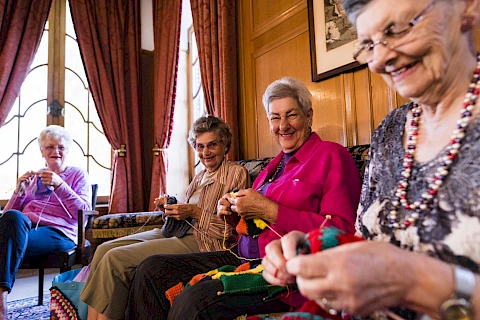
- Knitting — Knitting is a calming, repetitive activity that can help with hand-eye coordination, improve dexterity, and provide a sense of purpose. It is a great way to create something tangible to give as gifts to loved ones.
- Walking Clubs — Organizing or joining walking clubs can improve cardiovascular health in seniors and provide an opportunity for social interaction. Always consult with healthcare providers before starting any new exercise regimen.
How to Adapt Hobbies for Physical and Cognitive Limitations
Caregivers might have to modify activities to accommodate any physical or cognitive limitations seniors may have. For example, consider using raised flower beds or containers when gardening to minimize the need for bending. Use adaptive equipment like larger paintbrushes for painting. Knitting can be simplified and easier to handle by choosing larger needles and thicker yarn. The key is patience and encouragement. Allow seniors to progress at their own pace and celebrate their achievements, no matter how small.
How Caregivers Can Help Support New Hobbies
Caregivers can help seniors with new hobbies by demonstrating activities, providing materials, and offering gentle encouragement. It can also be beneficial for caregivers to join in. Working together can strengthen bonds and create cherished memories. Promote social interaction by inviting friends or family to participate in the hobbies. Organizing group activities or clubs can help seniors build new friendships and improve their social well-being. These group settings can be particularly rewarding and provide seniors with a sense of community.
Senior Helpers is Happy to Help With Hobbies
Senior Helpers offers personalized, in-home senior care services, including companion care. If you live in the Newport Beach, Costa Mesa, Fountain Valley, or Santa Ana areas, contact us anytime at Senior Helpers Costa Mesa. We are here to help you navigate the discovering and implementing of new hobbies so both you and the seniors you care for can enjoy these creative and meaningful experiences.