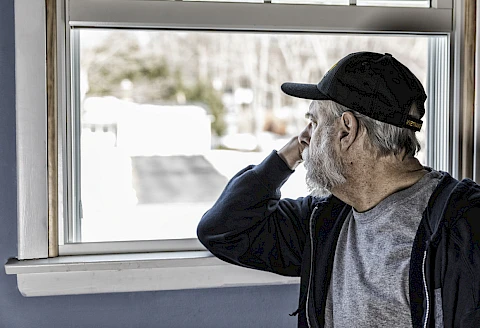
June 27 is National PTSD Awareness Day. For families supporting elderly vets, the awareness this month brings on Post-Traumatic Stress Disorder (PTSD) is both timely and meaningful. PTSD in senior veterans can look different from what many people expect. Decades after the original trauma, retirement, health changes, or losing a spouse can unexpectedly revive symptoms. If you are caring for a veteran parent or partner, understanding what you are seeing and how to help without overstepping makes a real difference.
Recognizing Symptoms of PTSD in Senior Veterans
When older vets show post-traumatic stress disorder, it often mimics dementia or depression, making subtle behavioral changes difficult to identify. Monitoring these patterns is a vital step toward ensuring your loved one receives appropriate care.
- Sleep disturbances, persistent nightmares, or insomnia.
- Emotional shifts such as sudden withdrawal, flat affect, or increased irritability.
- Heightened agitation near specific dates or sounds.
- Steering clear of people or conversations related to military service.
- Veterans may not label their experiences as trauma. Discussing these issues as concerns about sleep or mood can help open conversations with doctors.
Creating a Supportive Home Environment
A safe and predictable home environment can lower PTSD symptoms in senior veterans. To foster comfort and autonomy, consider these practices:
- Allow your loved one to manage their immediate space, such as adjusting lighting, seating preferences, and meal times.
- Incorporate gentle outdoor activities, like a quiet evening walk, to provide grounding and connection.
- Avoid initiating conversations about military history; allow your loved one to share their experiences only when they feel ready.
Connecting With VA Resources
The Department of Veterans Affairs provides specialized mental health care, including tailored therapies for older adults, even if they are not enrolled in standard VA healthcare. Navigating these institutional resources is a critical step toward securing long-term mental health support for your loved one. To access these support networks:
- Use the VA's PTSD program locator tool to find local evidence-based treatments like Cognitive Processing Therapy or Prolonged Exposure therapy.
- Seek out local, private mental health professionals who specialize in military trauma and geriatric care if your loved one is hesitant to use the VA.
- Consult your loved one's primary care physician for a direct recommendation to trusted trauma specialists in your area.
Caring for Yourself as a Caregiver
Addressing PTSD in senior veterans is emotionally taxing, and your well-being matters too. Caregiver stress is real, so it's important to make time for your own respite, whether it's a walk in Coachella or a call with a supportive friend. Peer support groups for caretakers of former servicemen are available at many VA facilities and community organizations, so you don't have to face it alone. The team at Senior Helpers Coachella Valley assists families caring for elderly vets in Coachella, Indian Wells, Indio, and nearby areas. Contact us to talk through how our compassionate in-home care can give your family greater stability and peace of mind.