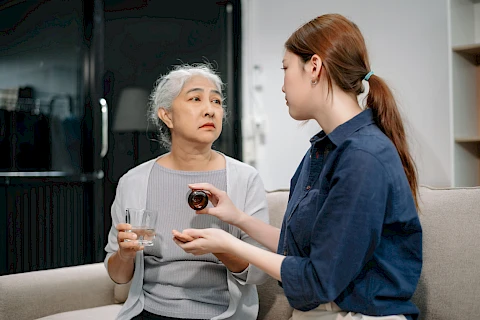
Caring for a loved one with Parkinson's disease can be challenging, especially when they experience pain. Parkinson's is a progressive neurological disorder that primarily affects movement, but it can also cause various types of pain that impact quality of life. Effective pain management is crucial for seniors with Parkinson's to help them stay active and maintain their daily routines.
Navigating Pain in Seniors with Parkinson's
Pain in Parkinson's presents itself in several forms, from muscle cramps and stiffness to neuropathic pain, which can feel like burning or tingling. Unlike typical pain, Parkinson's-related pain often stems from the disease's effects on the nervous system, making it more complex to manage.
Each person's experience with pain can vary significantly, which is why creating a personalized pain management plan is essential. Identifying the pain your loved one may experience is the first step in finding effective strategies for relief.
Pharmacological Approaches
Medications are crucial in managing the discomfort and pain associated with Parkinson’s disease. Several pharmacological options are available for Parkinson's-associated pain. Common medications include:
- Levodopa: Helps with muscle stiffness and cramping.
- Anti-inflammatory drugs: Used to reduce pain and swelling.
- Antidepressants: Sometimes help if pain has a neuropathic component.
Medications can have side effects, especially for seniors. Always consult healthcare professionals to ensure that any medication plan is safe and appropriate for your loved one. Adjustments are often needed to find the right balance between pain relief and side effects.
Non-Pharmacological Approaches
Other alternative methods can manage Parkinson’s pain. Exercises like stretching or walking can improve flexibility and reduce stiffness. Remember to consult a doctor before introducing seniors to a new exercise routine. Physical therapists can provide tailored exercises to suit your loved one's needs and physical limitations.
Massage and acupuncture are often helpful in relieving pain. A gentle massage can ease muscle tension, while acupuncture may reduce pain by stimulating specific body points. Relaxation techniques and mindfulness practices, such as meditation or yoga, can reduce stress and anxiety, which can sometimes worsen pain.
Dietary considerations and supplements might also help manage symptoms. While a balanced diet is vital, some supplements could help reduce inflammation. Always discuss any dietary changes with your senior loved one’s healthcare provider.
The Caregiver's Role in Pain Management
As a caregiver, your role is pivotal in managing your senior loved one's pain. Regularly monitor their pain levels and identify potential triggers. Communicate any changes or observations with healthcare professionals to adjust care plans as needed. Providing emotional support and fostering a positive environment at home can help your loved one cope with the challenges of chronic pain.
Educating yourself about Parkinson's pain management techniques will empower you to make informed decisions. Consider engaging in support groups or seeking professional guidance to enhance your caregiving approach.
Connect with Senior Helpers for Personalized Parkinson's Care and Support
Managing pain in Parkinson's requires a thoughtful and personalized approach, incorporating pharmacological and non-pharmacological strategies. If you need support caring for a senior loved one with Parkinson’s, trust Senior Helpers Central Valley North to get the job done. We offer compassionate Parkinson’s support as part of our personalized in-home care services for seniors. Contact us to learn more about our services in Los Banos, Sanger, Selma, Reedley, and Atwater.