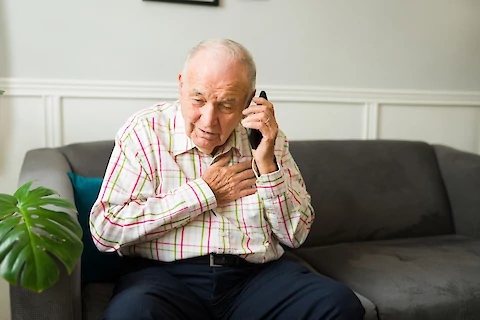
As February is American Heart Month, it seems fitting to shed light on an issue that is of crucial importance to everyone: heart attacks. Knowing what to do when you or someone around you is experiencing a heart attack can mean the difference between life and death.
Understanding Heart Attack Symptoms
A heart attack, or myocardial infarction, occurs when blood flow to the heart muscle is obstructed, typically by a blood clot. This can cause damage to your heart muscle, which can be life-threatening. Symptoms vary from person to person, and a heart attack might not always present symptoms that are clear-cut or intense. Some common symptoms include discomfort or pain in the chest, shortness of breath, nausea, lightheadedness, and cold sweats. Recognizing these signs early can make all the difference in the prognosis.
What to Do If You Think You're Having a Heart Attack
If you suspect you are having a heart attack, your immediate response should be to call 911, even if you're unsure. Time is of the essence, and it's better to err on the side of caution. While waiting for medical help to arrive, chew and swallow an aspirin if it is readily available and you are not allergic to it. Aspirin has antiplatelet effects that can help prevent further blood clotting. Try to remain calm, as anxiety can increase heart rate and blood pressure, intensifying the situation. Rest and wait for emergency medical services.
Preparing for a Heart Attack
If you are at risk of a heart attack, it's crucial to have a plan in place. Familiarize yourself with emergency numbers and have them available, not just on your phone but also in a visible place at home. Have easy access to your medical history and medication. If you take a daily aspirin or another medication prescribed by your doctor for this situation, have it on hand. Inform your loved ones, neighbors, or close friends about your risk so that they can react quickly if necessary.
Senior Helpers Sun City Helps Seniors Live a Heart-Healthy Lifestyle
Recognizing heart attack symptoms early and knowing what steps to take are integral to survival and recovery. Preparation can significantly improve outcomes and can help decrease the fear and anxiety associated with such an event. It is, therefore, of utmost importance to take the necessary precautions, whether that means educating yourself, preparing an action plan, or seeking professional senior care assistance.
Remember, while this guide can be helpful, it is not a substitute for professional medical advice. Always consult with your healthcare provider about your personal health needs.
If you live in El Mirage, Sun City, Youngstown, or Surprise and are looking for professional help in creating a heart attack action plan or need assistance with senior care, don't hesitate to contact us at Senior Helpers Sun City for a partner in your heart health. We are here to ensure you have the help you need when it matters most.