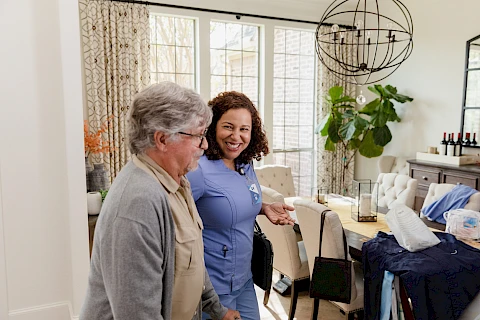
As our loved ones age, ensuring their well-being and comfort becomes a top priority, as does their independence. In-home care is a valuable option that allows seniors to receive personalized assistance while remaining in the familiarity of their homes. Learn how family caregivers can help prepare their senior loved ones for the transition to professional in-home care.
The Transition to In-Home Care: An Overview
Transitioning to in-home care involves emotional and practical adjustments. Accepting professional help can be challenging for many seniors. Involve them in the decision-making process to ease these difficulties. By doing so, seniors feel a sense of control and understanding about what lies ahead. Remember, the aim is to enhance their quality of life while respecting their autonomy.
Communicating With Your Senior Loved One
Initiating the conversation about in-home care is often the hardest part. Here are some tips to help:
- Choose a calm, comfortable setting to discuss the idea.
- Use compassionate language, focusing on benefits like companionship and support.
- Reassure them that the goal is to support their independence, not diminish it.
Addressing common concerns is also crucial. Seniors may worry about losing privacy or experiencing lifestyle changes. Be ready to listen and validate their feelings. Approach the conversation with empathy, ensuring they feel heard and respected throughout the process.
Preparing the Home Environment
Creating a safe and welcoming space is necessary for seniors and caregivers. Start by assessing the home for potential hazards. Loose rugs, dim lighting, or cluttered spaces can all pose risks.
Adapting the home environment includes making changes to accommodate care needs. For instance, install grab bars in bathrooms or move frequently used items within easy reach. Also, personalize the space to maintain comfort and familiarity. This may involve displaying cherished items such as family photos or favorite mementos.
Setting Expectations With Professional Caregivers
Clear expectations ensure a positive experience for everyone involved. Begin by discussing roles and responsibilities with the caregiver. Outline specific needs such as medication reminders, meal preparation, or mobility assistance, and ensure they align with the senior's requirements.
Create a routine and care plan. A consistent schedule helps seniors feel secure, but it's essential to allow flexibility. As needs change, adapt the care plan accordingly. The aim is to provide tailored support while respecting the senior's preferences and comfort.
Facilitating Effective Communication
Open communication between seniors and caregivers is key to successful in-home care. Encourage seniors to express their needs and preferences. Caregivers should also feel comfortable asking questions or raising concerns.
Conflicts or misunderstandings may arise, but they can be resolved with patience and understanding. Address issues calmly and work towards a solution that satisfies everyone. Regular check-ins and feedback sessions can prevent minor issues from becoming significant problems.
Does Your Senior Need Professional In-Home Support?
Preparing for in-home care requires thoughtful planning and open dialogue. This transition can be smooth and enriching by involving seniors in decisions, creating a welcoming home environment, and encouraging communication. If you're ready to explore in-home care options for your loved one in Benson, Bisbee, Douglas, Sierra Vista, or Huachuca City, contact us at Senior Helpers of Southern Arizona. Our team is dedicated to providing personalized care solutions that meet the unique needs of every senior. Take the proactive step towards ensuring your loved one's comfort and peace of mind today.