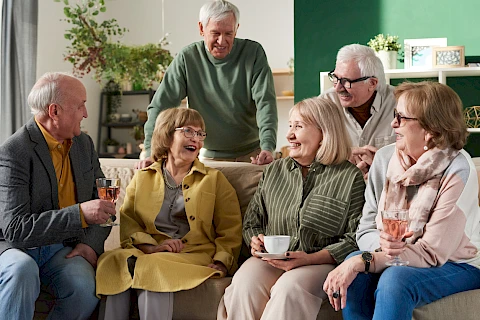
Building and maintaining social connections can significantly impact seniors' mental, emotional, and even physical health. Caregivers can help seniors find social groups that best meet their needs. Learn some ideas caregivers can use to connect seniors with social groups and reap the benefits these connections offer.
Why (and How) Social Group Participation Benefits Seniors
Socialization is a powerful tool for enhancing mental health. Regular social interaction reduces the risk of depression and anxiety, promoting a more positive outlook on life.
Social groups also boost emotional well-being. Participating in group activities increases seniors' sense of belonging and purpose. Sharing stories and experiences with others can create strong bonds and friendships, which are crucial as people age. These interactions help reduce loneliness and isolation, creating a supportive community.
Cognitive benefits are another advantage of being part of social groups. Engaging in conversations and activities stimulates the brain, improving memory and cognitive function. This mental engagement keeps the mind sharp.
Identifying Suitable Social Groups
Finding the right social group begins with understanding the senior's interests and passions. Caregivers should take time to explore the hobbies and activities that have always brought joy to the senior's life. Whether it's gardening, crafting, game nights, or book clubs, aligning the group with their interests can lead to a more enjoyable experience.
Be sure to consider the senior's physical abilities or mobility limitations. Some seniors may prefer groups that meet indoors, while others might enjoy outdoor activities. Caregivers need to make sure the chosen group accommodates any accessibility needs.
Senior centers often host events, while clubs and online groups offer various activities tailored to different interests. VolunteerMatch.org and Meetup.com are also great places to make new friends.
Tips for Encouraging Participation
Encouraging seniors to join social groups can be challenging, but caregivers can take several steps to facilitate the process. Start by taking them to their favorite places or bringing along old friends. Familiar faces or places can ease the transition and reduce anxiety.
Encourage trial visits to different groups. Seniors may not find the perfect fit right away, so being open to trying various options can lead to discovering the best match. Highlight the positive experiences and benefits observed during these visits to motivate continued participation.
Overcoming Common Barriers
Several common barriers might hinder seniors from joining social groups, but with careful planning, these can be overcome. Transportation issues are often a major concern. Caregivers can help by arranging carpooling, taking advantage of public transport, or providing direct assistance.
Social anxiety is another barrier. Start with small, gradual exposure to social situations to build confidence. Positive reinforcement and sharing successful experiences can also alleviate fears.
Manage any health concerns by ensuring the chosen group accommodates medical needs. Whether providing necessary breaks or having first-aid kits on hand, being prepared enhances the experience for everyone involved.
Stay Connected With Senior Helpers
Caregivers can help find and connect seniors with social groups that match their interests and abilities. Caregivers can make a significant difference in the lives of the seniors they support by actively seeking these opportunities. If they live in Benson, Bisbee, Douglas, Sierra Vista, or Huachuca City, contact us at Senior Helpers of Southern Arizona. From drop-in visits to transportation to and from important engagements, our friendly companion caregivers empower seniors to live their lives to the fullest.