A summer thunderstorm rolls through Birmingham, knocks out power for six hours, and suddenly a routine evening turns into a real problem for anyone relying on a medical device that needs an outlet. Emergency preparedness sounds like an abstract task until the moment it isn't, and summer heat waves make power outages a genuine seasonal risk worth planning for now.
Why Summer Emergencies Hit Differently
Heat waves strain the power grid just when air conditioning matters most, and outages during a heat advisory can turn a home in Helena or Alabaster dangerously warm in a short period. For someone managing a chronic condition or relying on equipment like an oxygen concentrator or refrigerated medication, a power outage is more than an inconvenience. It requires a clear backup plan that is ready before the electricity goes out. During a hot-weather outage, the CDC recommends moving to an air-conditioned location when the home can no longer remain safely cool.
Building an Emergency Plan That Actually Gets Used
Start with the basics: an emergency contact list that includes neighbors, not just family members who might live hours away, and a plan for how your parent will reach help if phone lines or cell towers are affected. Identify a backup location with reliable power, whether that's a family member's home in Pelham or a designated cooling center, and know the route there in advance rather than trying to determine the next step during the emergency.
Write the plan down and keep a copy somewhere visible, like the refrigerator, rather than trusting memory alone during a stressful moment. Share it with everyone in your parent's support network and make sure at least one nearby person knows where emergency supplies and medical equipment are kept.
What Belongs in an Emergency Kit
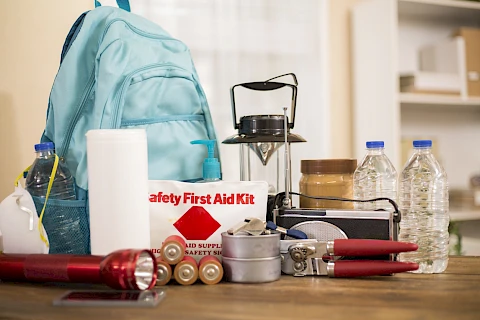
A basic kit should include a several-day supply of medications, a battery-powered or hand-crank radio, flashlights with extra batteries, bottled water, and non-perishable snacks that don't require cooking. For anyone using medical equipment that requires electricity, a portable battery backup or a plan for reaching a facility with generator power should be part of the kit, not an afterthought. Copies of important documents, insurance cards, medication lists, and emergency contacts belong in a waterproof folder that's easy to grab quickly.
Include chargers, backup batteries, and supplies tailored to your parent's specific health and mobility needs. A stay-at-home kit should also contain enough essentials for an extended disruption whenever possible.
Special Considerations for Medical Equipment and Cognitive Impairment
If your parent uses medical equipment like a CPAP machine or oxygen concentrator, contact the local utility company ahead of time. Ask about outage alerts and whether local medical-needs registries are available, but do not assume enrollment guarantees faster power restoration. Fortunately, many utilities maintain priority restoration lists for customers with documented medical equipment needs.
For someone living with dementia, unfamiliar emergency situations can cause real distress, so keeping a familiar comfort item and a simple, calm explanation ready can help ease the disruption. The American Red Cross publishes detailed emergency planning guidance specifically for older adults and recommends considering medical, physical, and cognitive needs when creating the plan.
It also helps to practice the plan once, even briefly. Walking through what would happen during a simulated outage, including where the flashlight is kept and who should be called first, gives everyone a clearer head if a real emergency hits during a heat wave in Birmingham or Alabaster.
Preparing Now So You're Not Scrambling Later
A little preparation before the next heat advisory or storm warning makes an enormous difference in how smoothly an emergency response unfolds. Emergency preparedness for seniors works best when the plan reflects the person's health needs, home environment, and available support network.
Families throughout Alabaster, Birmingham, Helena, and Pelham are welcome to reach out for help building an emergency plan suited to a parent's specific needs. Contact us to learn about senior care support that can help your family feel more prepared.