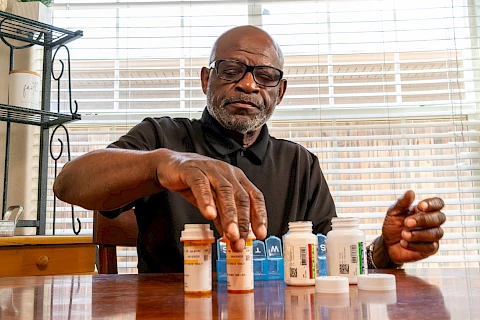
A pill bottle left on a windowsill in Pelham or Alabaster might not seem like a big deal until you realize the sun's been heating it all afternoon. Heat can affect medications more than many caregivers realize, potentially changing how well they work right when your parent needs them most.
Storage Matters More in Summer Than Any Other Season
Many medication labels recommend storage at controlled room temperature, often between 68°F and 77°F, although instructions vary by product. That sounds easy until you consider how hot a car, mailbox, or sunlit counter in Birmingham can get during July. The temperature inside a parked car can exceed 115°F even when the outdoor temperature is only 70°F, creating unsafe conditions for insulin and other temperature-sensitive prescriptions.
Check that pill organizers, medication cabinets, and mail-order prescriptions aren't sitting somewhere the sun reaches directly for hours at a time. Always follow the storage instructions on the label or ask a pharmacist when unsure.
Medications That Increase Heat Sensitivity
Several common prescriptions may affect how the body responds to high temperatures. Diuretics, often prescribed for blood pressure or heart conditions, increase fluid loss and may raise the risk of dehydration. Beta blockers can reduce sweating and blood flow near the skin, making it harder for the body to release heat. Some antidepressants, antipsychotics, and other medications may also affect sweating, thirst, or temperature regulation.
If your parent in Helena takes any of these regularly, it's worth a direct conversation with their doctor or pharmacist about what extra precautions make sense for summer. Never stop or adjust a prescription without medical guidance.
A Practical Checklist to Run Through Weekly
Walk through a few questions each week during the hottest months: Are medications stored away from direct sunlight and heat sources like stoves or radiators? Is the car ever used to store medication temporarily, even for a quick errand? Are refrigerated medications, like certain insulins, actually staying cold and not warming up during a power flicker? Has your parent's doctor reviewed whether any current prescriptions increase heat sensitivity? A caregiver's role is to remind about the daily routine and flag concerns, not to adjust dosages independently.
Signs a Medication May Have Been Compromised
Discoloration, an unusual smell, or a change in texture or consistency can signal that heat has degraded a medication, even before the expiration date. If a pill looks different than usual or a liquid medication seems separated or cloudy, it's worth calling the pharmacist before the next dose rather than assuming it's still effective. The Bone Health & Osteoporosis Foundation and other health organizations recommend contacting a pharmacist directly whenever medication storage is in question.
Travel adds another layer of risk worth planning around. A quick errand run in Pelham with medication left in a hot glovebox, even for twenty minutes, may expose it to damaging temperatures. Never leave prescriptions in a parked vehicle. For medication that requires cooling, ask a pharmacist about an appropriate temperature-controlled travel case and avoid placing it directly against ice unless the instructions specifically allow it.
Building Heat Safety Into the Daily Routine
Treating medication storage as part of the daily heat safety routine, right alongside hydration and sun protection, closes a gap that's easy to overlook until something goes wrong. Families throughout Alabaster, Birmingham, Helena, and Pelham are welcome to reach out for support building a summer medication routine that is safe, consistent, and easy to follow. Contact us to discuss senior care support that fits your family's needs this season.