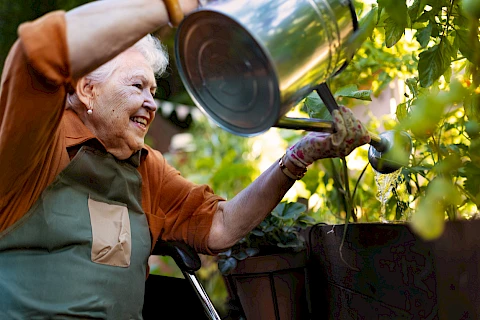
Gardening can be a rewarding activity for older adults, offering physical exercise and mental stimulation. For family caregivers, creating a space that is both accessible and safe is essential, especially for those with limited mobility. Senior Helpers Pelham will help you learn more about adaptive gardening so seniors can safely and comfortably tend to their plants.
Benefits of Gardening for Seniors
Tending to greenery can be a powerful way to improve the overall wellness of those in their golden years. Here are notable reasons to get started:
- Moving around in the garden helps maintain strength, flexibility, and endurance, which are vital for mobility.
- Physical activity supports cardiovascular health and improves sleep, enhancing quality of life. However, it's best to consult a doctor before an older adult starts a garden.
- Provides a sense of purpose and achievement, lifting spirits and easing stress.
- It can be a mindful activity, particularly for those with cognitive challenges, helping them stay engaged and focused.
Setting Up Adaptive Gardening Options
Designing a garden for those over 60 with limited mobility requires careful thought and planning. By tailoring the space to their needs, family carers can create a safe and enjoyable environment for planting greenery.
Raised Beds and Container Gardens
Tending to greenery in raised beds and containers helps golden-agers garden more easily by minimizing strain. Aim for raised beds that stand 24 to 36 inches tall, and choose lightweight containers that sit securely to prevent accidents. Self-watering containers can be a great choice, reducing the need for frequent watering. Grouping containers can also help them manage their plants with less movement.
Ergonomic Tools for Easier Tending Plants
Adaptive gardening tools are essential for reducing physical strain. Look for tools with padded grips and long handles to minimize bending and stretching. Ratchet pruners and long-handled trowels are particularly useful, as they require less force and help maintain an upright posture. A gardening stool or kneeling pad can also provide comfort and support.
Designing Garden Layouts for Accessibility
When planning garden layouts, prioritize wide, even paths that accommodate wheelchairs or walkers. Paths should be at least 36 inches wide and made from non-slip materials. Consider adding ramps or raised platforms for easy access to different garden levels.
Ensure there is enough space between planting areas for easy navigation, and include seating areas for rest. Using contrasting colors for path borders can aid those with visual impairments.
Supporting Your Loved One's Gardening Interests Safely
Helping elderly retirees with gardening requires balancing encouragement and safety. Regularly check for hazards such as uneven surfaces or overgrown plants, and assist with heavy lifting. Remind them to stay hydrated, wear sunscreen, and take breaks to prevent fatigue.
Cultivate Elderly Well-Being Through Adaptive Gardening
Gardening can significantly enhance seniors' overall well-being by providing physical activity, mental engagement, and a sense of achievement. By incorporating our suggestions, caretakers can create a safe and nurturing environment. For additional support, Senior Helpers Pelham offers dedicated caregiving services. Contact us today for more information on senior care options in Alabaster, Birmingham, Helena, and Pelham, Alabama.