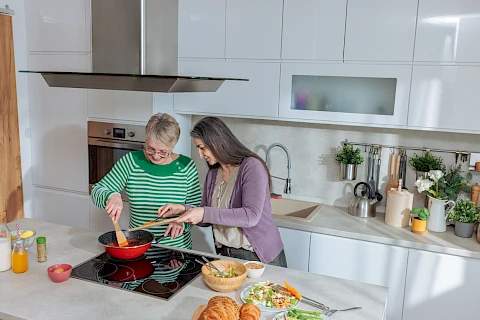
Eating a low-sodium diet is essential for seniors. It helps them stay healthy and avoid problems like high blood pressure and heart disease. However, reducing salt in meals can make them taste bland, which is not appealing. Caregivers should find ways to create tasty, low-sodium meals for loved ones.
Explore herbs, spices, and cooking methods that bring flavor to food, and learn how to read labels to avoid hidden sodium. Discover delicious recipes and flavor-building techniques.
Sodium and Its Impact
Consuming too much sodium can be harmful to seniors. High sodium intake is linked to health issues such as high blood pressure, heart disease, and strokes. For them, the recommended daily sodium intake is no more than 1,500 milligrams.
Caring for older adults means paying attention to how much sodium they consume, which can lead to better health and improved quality of life.
Flavorful Alternatives to Salt
Salt is not the only way to add flavor to food. Many herbs and spices can bring meals to life.
- Herbs: Fresh or dried herbs like basil, oregano, and thyme are great for adding flavor without sodium.
- Spices: Spices such as cumin, paprika, and turmeric can warm up a dish and add depth.
- Citrus and Vinegar: Adding a splash of lemon, lime, or vinegar can give a tangy brightness to the meal.
- Garlic and Onions: These can add a delicious depth and richness when cooked into food.
These ingredients are essential in low-sodium cooking for seniors and can help make meals taste amazing, even without added salt.
Cooking Techniques for Flavor Enhancement
The way food is cooked can make a big difference in its flavor. Roasting and caramelizing are excellent techniques that use high heat to bring out the natural sweetness in vegetables and meats. It creates rich, complex flavors without any added sodium. The browning process develops deep, savory notes that make food more satisfying and delicious.
Grilling and smoking add another dimension to low-sodium cooking. These processes impart a smoky, savory flavor that many people find incredibly appealing. The char marks from grilling and the aromatic smoke create layers of taste that make salt unnecessary.
Similarly, sautéing and stir-frying quickly cook food in a small amount of oil over high heat, which enhances the natural taste of ingredients while keeping textures interesting and varied. These quick-cooking techniques help vegetables retain their crispness and meats stay tender, all while building flavor through the cooking process itself.
Reading Labels to Avoid Hidden Sodium
Processed foods are often high in sodium, even if they don't taste salty. In low-sodium cooking for seniors, it’s necessary to read labels carefully. Read labels carefully. When examining food packaging, look for terms like "sodium chloride" or "monosodium glutamate (MSG)," which indicate added sodium.
Canned and processed foods deserve special attention. Manufacturers often add salt for preservation, sometimes in surprisingly large amounts.
Caregivers should make it a habit to choose low-sodium versions of broth, soups, and sauces whenever possible, as these products are typically among the highest in sodium content. Being aware of these hidden sources can help caregivers keep meals healthy for loved ones.
Practical Low-Sodium Recipes
Here are some tasty, low-sodium recipes to try:
- Herb-Roasted Chicken with Vegetables: Season chicken with rosemary, thyme, and a little garlic. Roast in the oven with carrots, potatoes, and onions until everything is cooked through and golden brown.
- Lemon-Garlic Grilled Fish: Marinate fish fillets in lemon juice, garlic, and dill. Grill until tender, then serve with a side of steamed broccoli.
- Spiced Lentil Soup: Cook lentils with diced tomatoes, carrots, celery, cumin, paprika, and turmeric. Simmer until the lentils are soft and the flavors meld together.
Each of these recipes is packed with flavor yet low in sodium, making them perfect for older adults.
Eat Healthy With the Help of Senior Helpers Huntsville
Creating low-sodium meals that don't lack in taste is achievable with the right techniques. Using low-sodium cooking for seniors with herbs, spices, and various cooking methods, caregivers can make delicious meals that support their health. Through reading labels carefully, they can avoid hidden sodium that might sneak into the diet.
We encourage caregivers to experiment with different flavors and methods in their own kitchens. For more personalized senior care and meal planning assistance, those in New Market, Brownsboro, Huntsville, Hazel Green, Harvest, and nearby can contact us at Senior Helpers Huntsville today.