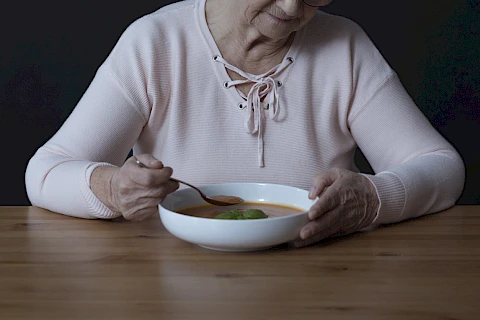
Eating disorders are often associated with younger people, but they can also affect seniors. In older adults, they are sometimes overlooked or mistaken for other health issues. Addressing eating disorders in seniors is relevant, as they can impact physical health and quality of life.
Adult children who support senior loved ones who have been diagnosed with an eating disorder can help them better manage this affliction.
Eating Disorders in Seniors
Several types of eating disorders can affect seniors, including anorexia, bulimia, and binge eating disorder. The causes and risk factors may differ from those in younger people. For example, older adults might develop disordered eating due to health issues, medications, or life changes such as the loss of a spouse.
Common signs to watch for include significant weight changes, changes in dietary habits, avoiding meals, and emotional distress related to food. Recognizing these signs can help you better support your loved one.
Steps to Support Your Senior Loved One
Addressing this sensitive topic requires empathy and a gentle approach. Talk openly with your loved one and encourage honest communication. Let them know that their feelings and experiences are valid and important to you.
Start conversations with care and understanding. Try saying, "I've noticed changes in your eating habits and want to support you," or ask, "How have you been feeling about meals?" These gentle openings encourage dialogue without making your loved one feel defensive.
Allow your loved one to express themselves without fear of criticism, and offer reassurance and support throughout the conversation.
Mitigate Risks and Avoid Common Pitfalls
Avoid making judgmental or negative comments about eating patterns. Words matter, and even well-intentioned remarks can cause distress. Instead, focus on supportive language that encourages healthier choices.
Be mindful of situations that might trigger their disordered eating. Social gatherings or certain foods might provoke anxiety. Work together to create a more comforting environment. Encourage healthy eating routines by planning balanced meals together. However, avoid putting pressure on them to eat, as this can be counterproductive.
Be Involved in Ongoing Care
Collaboration with healthcare professionals is necessary to manage an eating condition. Work with doctors, dietitians, and therapists to understand treatment options and care plans. Being informed allows you to better support your loved one.
Keep track of their progress and be aware of any setbacks. Regular check-ins can help ensure they are following the care plan and making strides in their recovery.
Additional Resources and Support
Local support groups and therapy options can provide your loved one with a sense of community and shared experiences. These resources can be particularly valuable if they're feeling isolated. Educational materials tailored for caregivers and family members can also help you become a more effective support system.
In the Huntsville area, many community resources are available. Look for local opportunities to connect with professionals and groups that specialize in senior care.
Seek Care and Companionship From Senior Helpers Huntsville
Supporting a senior loved one with eating disorders in seniors requires patience, understanding, and proactive involvement. Remember that getting professional assistance is the best course of action and can have a big impact on one's recovery.
If you're in Huntsville, Madison, Owens Cross Roads, or the surrounding areas, contact us at Senior Helpers Huntsville. We provide personalized support, care solutions, and companionship tailored to the unique needs of seniors. You're not alone in this journey, and with the right support, a healthier future is possible for your loved one.